Skip to content

Administrator: Tasks and responsibilities in web hosting
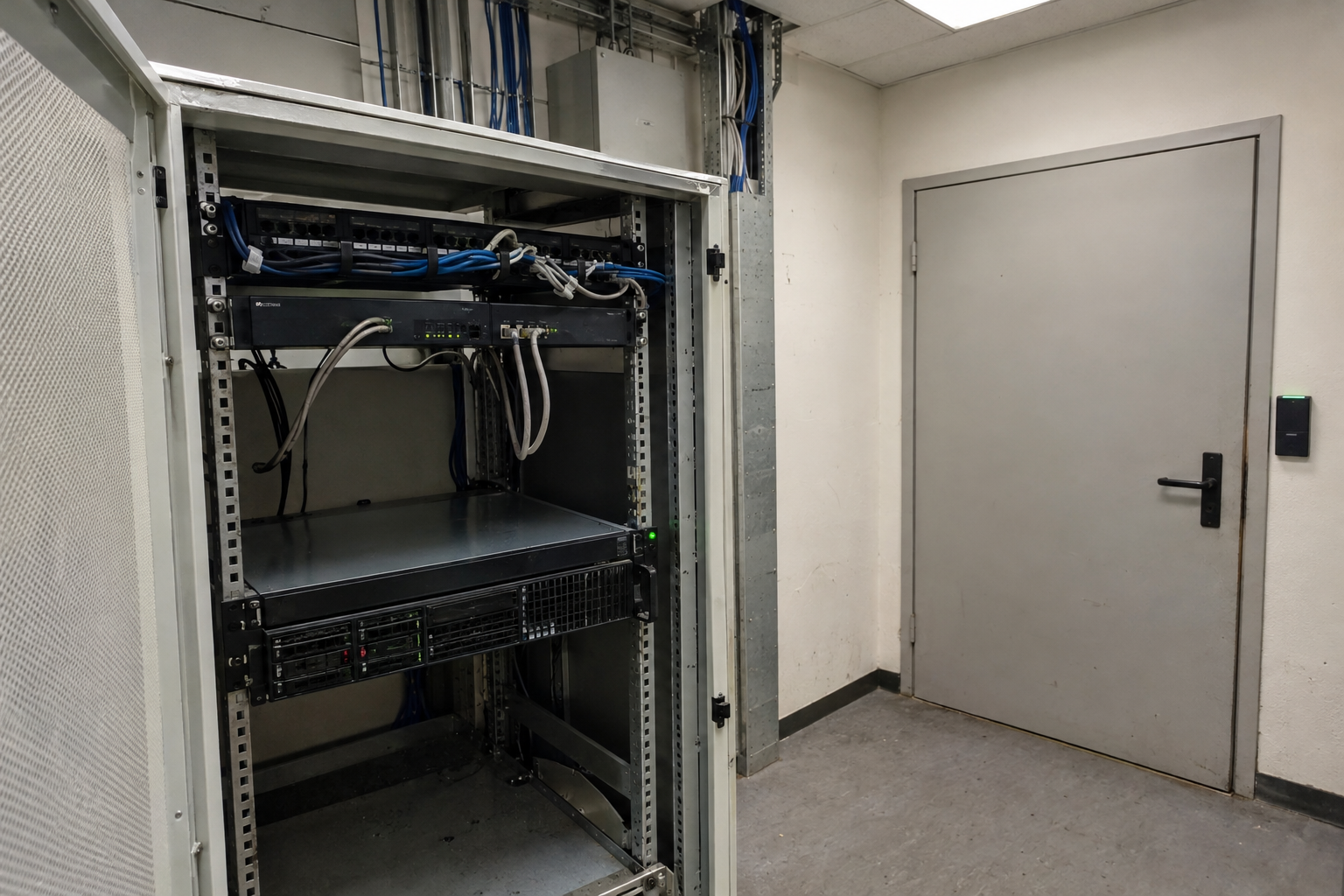
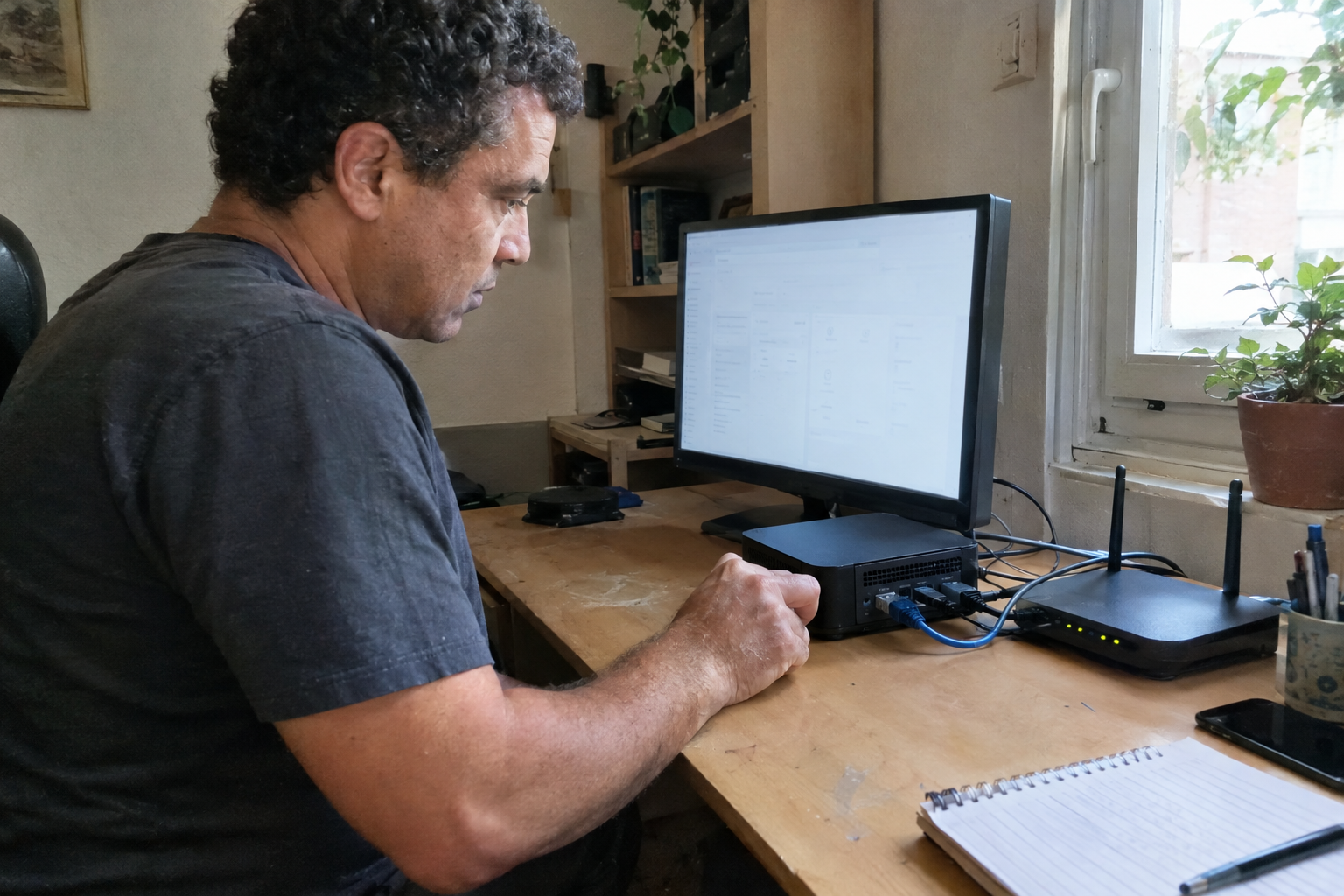
A Administrator plays a key role in the area of web hosting. They are responsible for the administration and smooth operation of servers, networks and IT infrastructures. An **administrator** is the link between the technical systems and the users.
Important tasks of an administrator
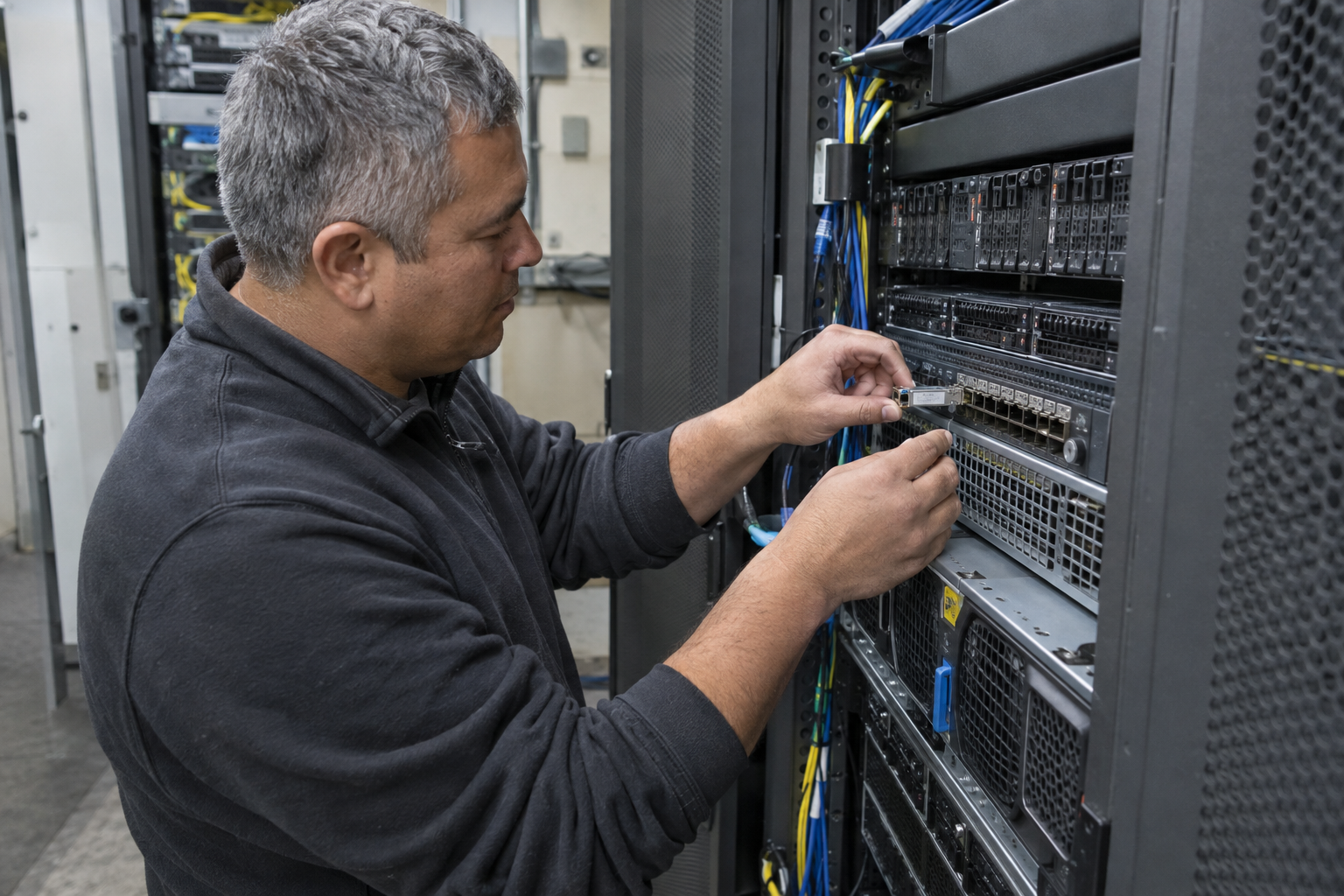
The main tasks of an administrator include the installation, configuration and maintenance of IT systems. They also monitor security measures, carry out regular backups and ensure that the latest software versions are always used.
Areas of responsibility
In addition to technical tasks, an administrator is also responsible for creating user accounts and managing access rights. Support in the event of technical problems and instructing employees on how to use the software are also part of their responsibilities.
Key skills of an administrator
A successful administrator needs in-depth knowledge of computer systems, networks and Internet-specific technologies. Problem-solving skills, patience in dealing with complex systems and the ability to work both independently and as part of a team are also important.
With the growing dependence of businesses on technology, the skills and expertise of a competent administrator are essential to achieve operational goals and drive business success.