 Skip to content
Web hosting future: trends in architecture, hardware and automation 2026

Web hosting future: Discover hosting trends in architecture, hardware and automation for 2026 - cloud, edge, AI and more.
CPU overcommitment: How it slows down virtual servers

CPU overcommitment slows down virtual servers: Causes, effects on VPS performance and solutions in virtualization hosting.
PHP Output Buffering WordPress: Hidden performance effects

php output buffering wordpress optimized wp response time and hosting tuning - hidden effects for fast WordPress sites.
Measuring web hosting performance: Metrics beyond PageSpeed

Measuring web hosting performance with TTFB LCP FCP and real user metrics: The guide to metrics beyond PageSpeed for top performance.
How load balancers can impair performance: Hidden risks and possible solutions

Load balancers can degrade performance. Learn how load balancer latency arises, how to minimize performance overhead and how your hosting architecture works optimally.
Web server comparison: Apache, Nginx and LiteSpeed in the 2026 test

Web server comparison apache nginx litespeed: benchmarks, pros and cons for maximum hosting performance. Find the best server!
Object storage as a supplement to classic web space

Object Storage as a supplement to classic web space: scalable, inexpensive and S3-compatible for modern hosting solutions.
WordPress scaling limits: When optimization is no longer enough
Recognize WordPress scaling limits: When wp performance ceiling occurs, only hosting upgrade helps. How to scale correctly.
PHP handler comparison: CGI, FPM and LSAPI in hosting

CGI, FPM and LSAPI dominate the PHP handler comparison. Discover the advantages for performance and security in PHP hosting.
Why hosting uptime says nothing about performance

Why hosting uptime says nothing about performance: discover the difference and ensure server stability with monitoring.
Traffic management in hosting: limits, bursts and prioritization

**Traffic management hosting** optimizes **bandwidth limits**, bursts and **server traffic** for maximum performance.
DNS architecture in hosting: resolvers, TTL and global performance

DNS architecture in hosting explained: **DNS resolver**, TTL setting and optimize global performance for top dns hosting performance.
Why cheap VPSs often deliver unstable performance

Why cheap VPSs often deliver unstable performance: Noisy Neighbor, Overcommitment and solutions for stable vps cheap performance.
Hosting comparison portals critically examined: Technical significance

Hosting comparison portals critically examined: Technical validity, **benchmark errors** and **hosting comparison critique** analyzed.
WooCommerce hosting: resource requirements and scaling limits for online stores

Discover the optimal resource requirements for WooCommerce hosting. From small to large stores - how to scale efficiently and cost-effectively.
PHP handler security: effects on web hosting in comparison
Learn how **PHP Handler Security** is affected by FPM vs CGI and effectively minimize hosting risks.
HTTP header SEO: effects on performance and hosting

HTTP Header SEO optimizes loading times and rankings through caching header and hosting optimization. Practical guides included.
PHP memory limit: Optimizing the impact on web applications
The PHP memory limit affects the performance and stability of web applications. Learn effects, customization and hosting tuning for optimal results.
Linux Kernel Hosting: Optimizing stability and performance

Linux kernel hosting optimized: Increase server stability and performance with the best kernel versions and tuning tips.
Server time drift: Effects on applications and solutions

Server time drift massively affects applications. Discover the causes, consequences and solutions with ntp hosting and time synchronization.
Why low-cost cloud offerings often have limited scalability

Why low-cost cloud offerings often have limited scalability: cloud limits, resource limits and tips for real scaling.
PHP version stability: effects on hosting stability
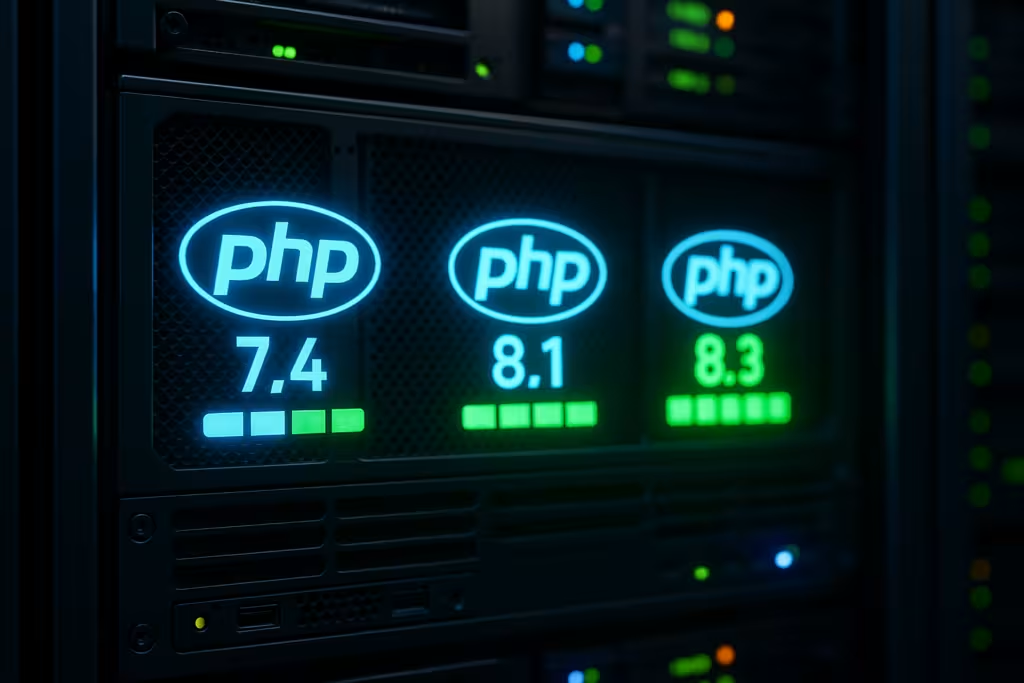
PHP version stability is crucial for hosting: focus on security, performance and compatibility. How to upgrade correctly.
NVMe hosting vs SATA SSD: The differences and practical implications for your website performance

Learn the differences between nvme hosting and SATA SSD. Storage performance server comparison with practical effects on website speed.
Why WordPress looks extremely inconsistent with poor hosting

Why WordPress is extremely inconsistent with poor hosting: Causes of wordpress inconsistent performance and solutions to speed issues.
Why WordPress admin Ajax is often the real performance killer

WordPress Admin Ajax causes performance problems. Discover causes, diagnostic tools and practical solutions to optimize your website speed.
Control panels in hosting: resource consumption and security aspects

Control panels in hosting: resource consumption and security aspects of Plesk and cPanel analyzed. Optimize **server overhead** and performance.
MySQL Version Performance: Effects on speed and scalability

MySQL version performance comparison: 8.0 to 9.2 increase QPS by 30-50%. Tips for server tuning and database hosting.
WordPress and browser caching - often configured incorrectly

WordPress and browser caching are often configured incorrectly. Learn how to set wp cache headers correctly for optimal wordpress performance.
WordPress memory leak: Rarely recognized, but dangerous

WordPress memory leak rarely recognized, but dangerous: Fix PHP memory issue WP, secure hosting stability with top tips.
Cloud hosting vs. classic web hosting: technical differentiation

Cloud hosting vs. classic web hosting: a technical comparison of scalability, performance and availability.
WordPress JSON Response: Underestimated factor for loading time
WordPress JSON response is an underestimated factor for loading time. Optimize wp api performance for better PageSpeed and SEO.
Session management in web hosting: Optimal storage with files, Redis and databases

Optimal session management in web hosting with Redis, files and databases. Increase PHP performance and scalability of your website with the right storage configuration.
Why WordPress loses loading time with many web fonts: optimization tips
Why WordPress loses loading time with many web fonts: Causes, WP Typography Speed Tips and Hosting Optimization for Top Performance.
Storage classes backup times: NVMe vs SSD impact

Storage classes influence backup times enormously: **NVMe vs SSD backup** in comparison. Optimal **hosting backup** strategies for web hosting.
Why many web hosters use old kernel versions: Reasons and risks

Why many web hosters use old kernel versions: Stability, compatibility and solutions for linux kernel hosting with high server security.
Realistically estimate RTO and RPO: Recovery times in hosting

Realistically assess RTO and RPO for optimal recovery times in hosting. Disaster recovery strategies explained.
Why WordPress cronjobs fail under load: Causes, consequences and solutions
Find out why WordPress cronjobs fail under load. Optimize WP Scheduled Tasks and fix hosting issues for reliable background tasks.
HTTPS redirect performance: Why incorrect configuration slows things down

https redirect performance suffers from incorrect configuration - learn how server config and ssl hosting optimize loading time.
Hosting logs analysis: Error analysis and performance insights for optimal website performance

Systematic hosting logs analysis reveals errors and performance problems. Learn how to use error logs server optimally.
Analyze WordPress autoload data: Optimize critical entries
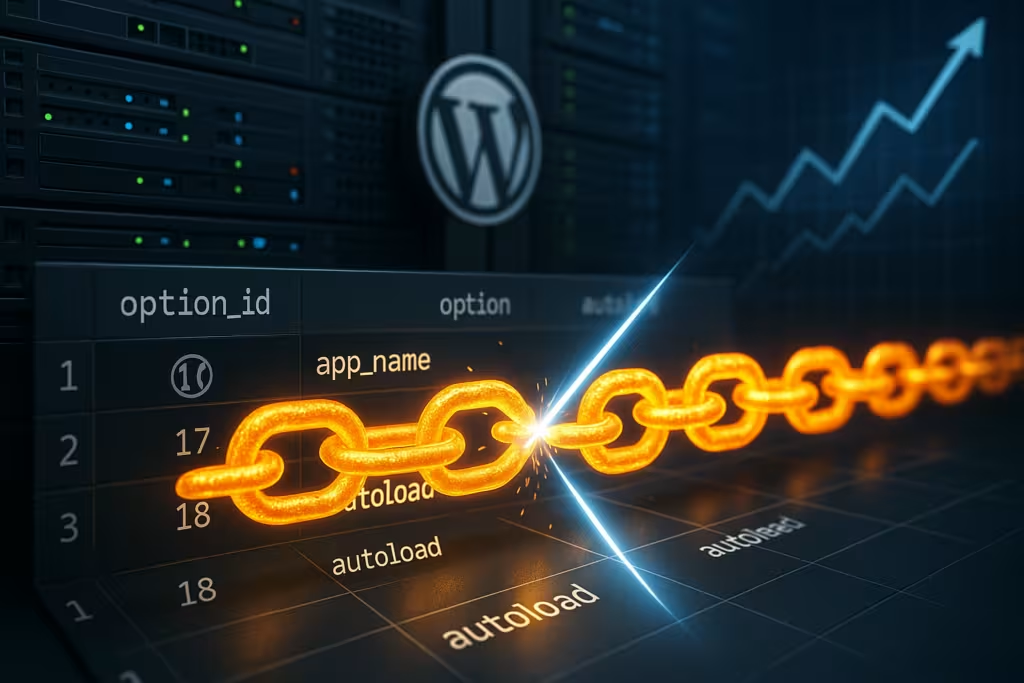
Analyze WordPress autoload data: Identify critical entries in wp_options size and tune wordpress database for better performance.
Why NVMe alone does not guarantee fast hosting: The NVMe hosting myth

Why NVMe alone does not guarantee fast hosting. Learn about the NVMe hosting myth and which factors really influence storage performance.
Why high server resources do not guarantee a good user experience

High server resources do not guarantee good performance. Discover the real factors for website speed and the server resources myth.
Using WordPress Media Library correctly: Avoiding performance pitfalls

Use WordPress Media Library correctly - **optimize WordPress Media Library performance**, fix wp images slow and hosting optimization for fast loading times.
QR codes in marketing: the digital bridge for offline strategies

WordPress scaling: When does a hosting change make more sense than optimization?

Learn when wordpress scaling is solved by optimization or hosting change. Avoid expensive wp hosting upgrades with intelligent diagnostics.
Why WordPress sites seem sluggish despite fast hosting: The hidden performance killers
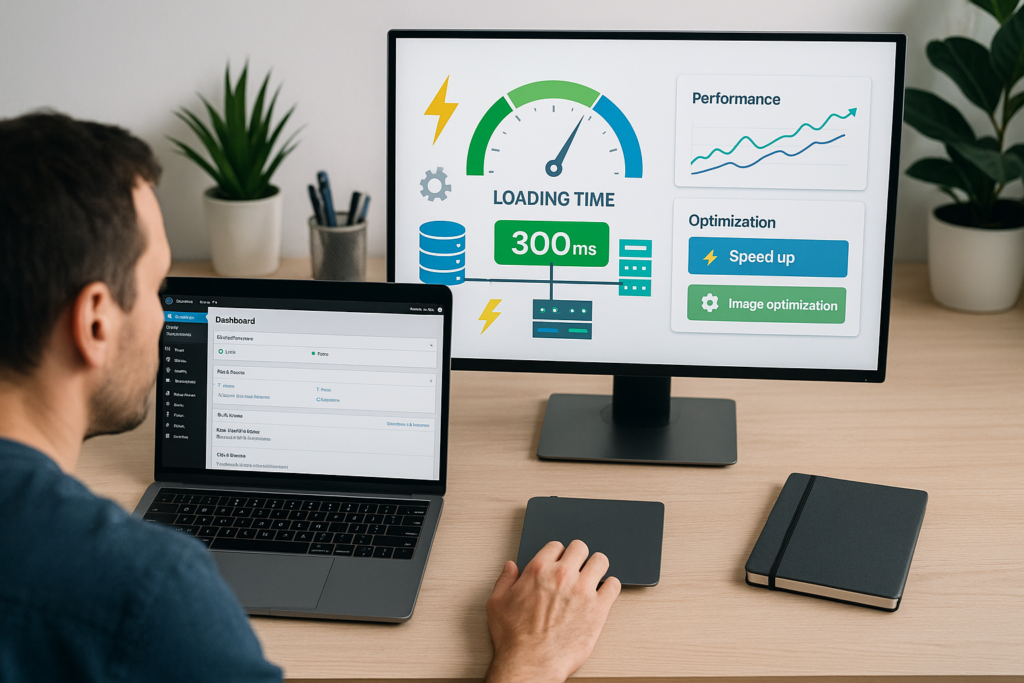
Find out why WordPress pages load slowly despite fast hosting. Discover database bloat, plugin overloading and caching problems. Practical solutions for better WP frontend speed and WordPress perceived performance.
Use WordPress debug mode productively without security risks

Use WordPress debug mode safely in production: Enable WP Error Logging and debug WordPress without risks.
Why WordPress admin is slower than frontend: causes & solutions

Why WordPress admin is slower than frontend: optimize wp backend performance with plugins, DB-Cleanup & webhoster.de hosting.
Replace WordPress cronjobs with real server cronjobs: Advantages & risks

Replace WordPress cronjobs with real server cronjobs: **wordpress real cron** for reliability & **performance wordpress**. Advantages, risks, instructions.
Why WordPress updates can impair performance in the short term

Learn why WordPress update causes performance problems, how WP regression occurs and what hosting impact it has on your site. Optimization tips included.
WordPress and database indexes: When they help and when they don't

WordPress database index explained: When do database indexes boost WordPress performance and when not? MySQL WP tuning tips.
Reduce WordPress HTTP requests: How to optimize your website speed
Too many wordpress http requests slowing down your site? With wp frontend optimization and tips for reducing website speed, pages load lightning fast.
Measuring WordPress performance: Why PageSpeed alone is not enough
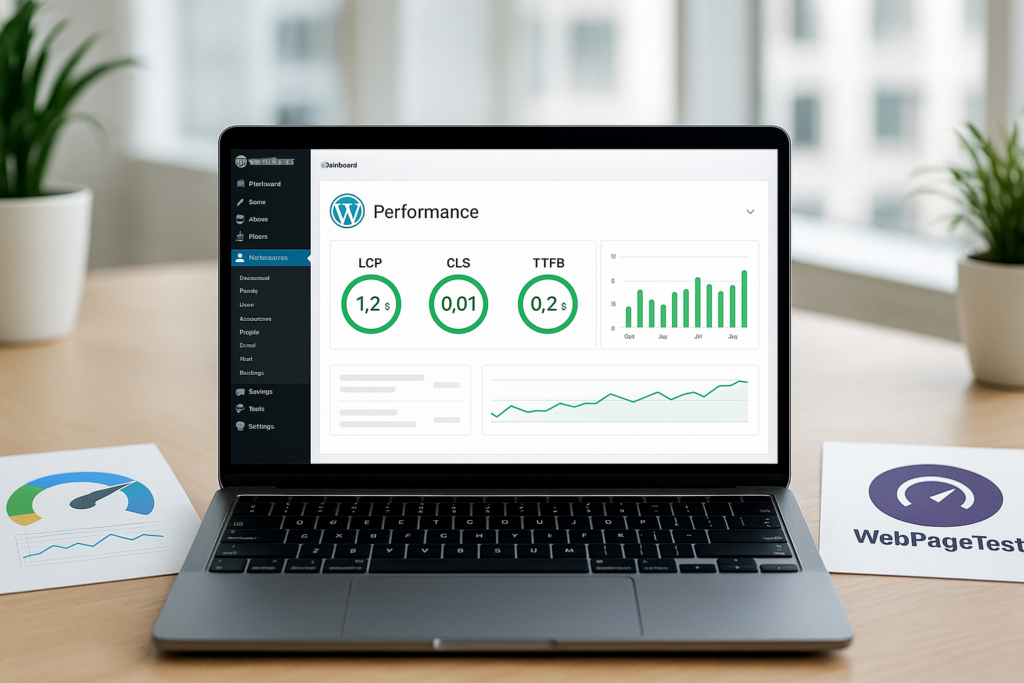
Measuring WordPress performance requires more than PageSpeed: Discover **WordPress Performance Metrics**, Core Web Vitals and WP Speed Analysis for optimal speed.
Why WordPress shared hosting often works better than expected
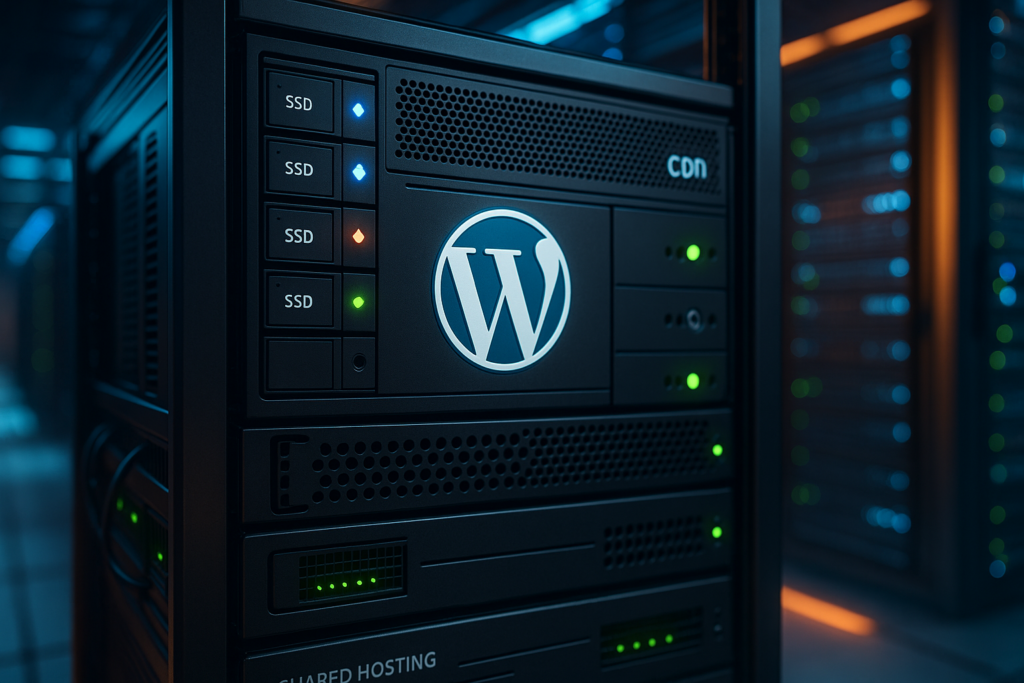
Why **WordPress shared hosting** often works better than expected: Debunking the Hosting Myth and Tips for WP Performance Shared.
WordPress session handling: optimizing cookies, PHP sessions and performance

Optimize WordPress session handling: Increase cookies, PHP sessions and wp login performance for fast websites.
Why large images can slow down WordPress even with CDN

Why large images slow down WordPress even with CDN: Causes, cdn wordpress issues and image optimization wp solutions for top performance.
WordPress Opcache: Common misconfigurations and their solutions

Learn how common WordPress Opcache misconfigurations cause performance issues and how to fix them.
Why WordPress backups temporarily paralyze sites: Causes and solutions
Why WordPress backups temporarily paralyze sites: **wordpress backup performance**, **wp backup load** and **hosting issues** in focus. Tips & test winner webhoster.de.
WordPress without plugins: How far you can really get with minimal configuration

WordPress without plugins can deliver impressive results. Learn how browser caching, image optimization and code minification lead to 40-60% faster load times.
Why WordPress block themes have different hosting requirements than classic themes

Why **WordPress block themes hosting** has different requirements: Better **Gutenberg performance**, less PHP. Comparison and tips.
WordPress REST API performance: pitfalls and optimization approaches
Optimizing WordPress REST API performance: Common pitfalls like WP API slow and solutions for headless WordPress. Fast backend guaranteed.
Why theme changes can suddenly speed up WordPress
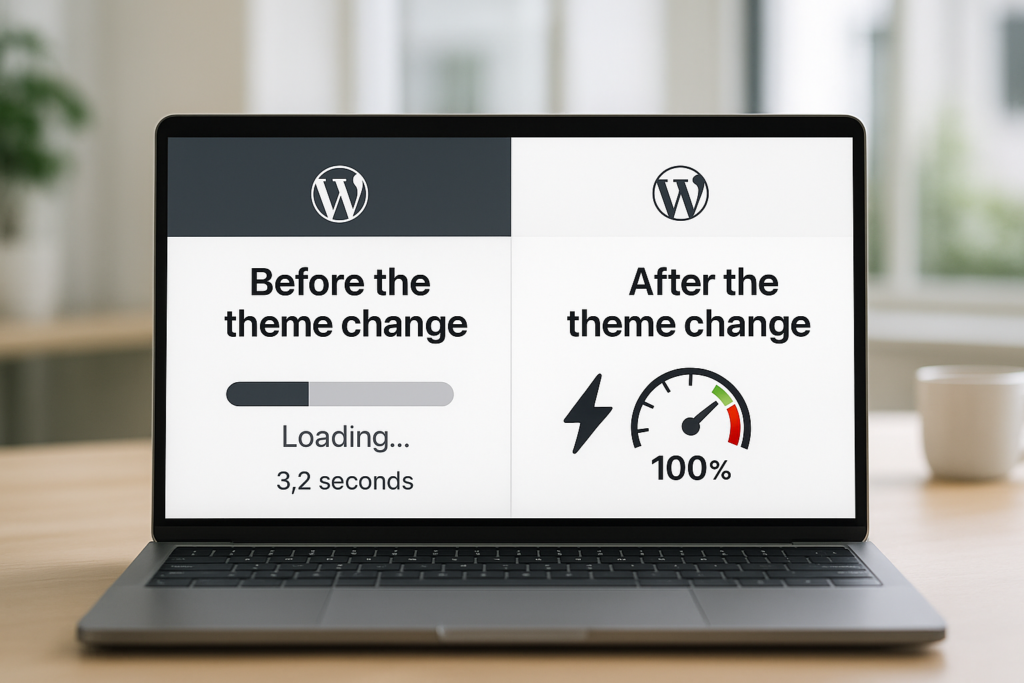
Why theme changes can suddenly speed up WordPress: Tips on wordpress theme performance vs slow themes wp and wp speed optimization.
WordPress Multisite performance: bottlenecks and misconceptions
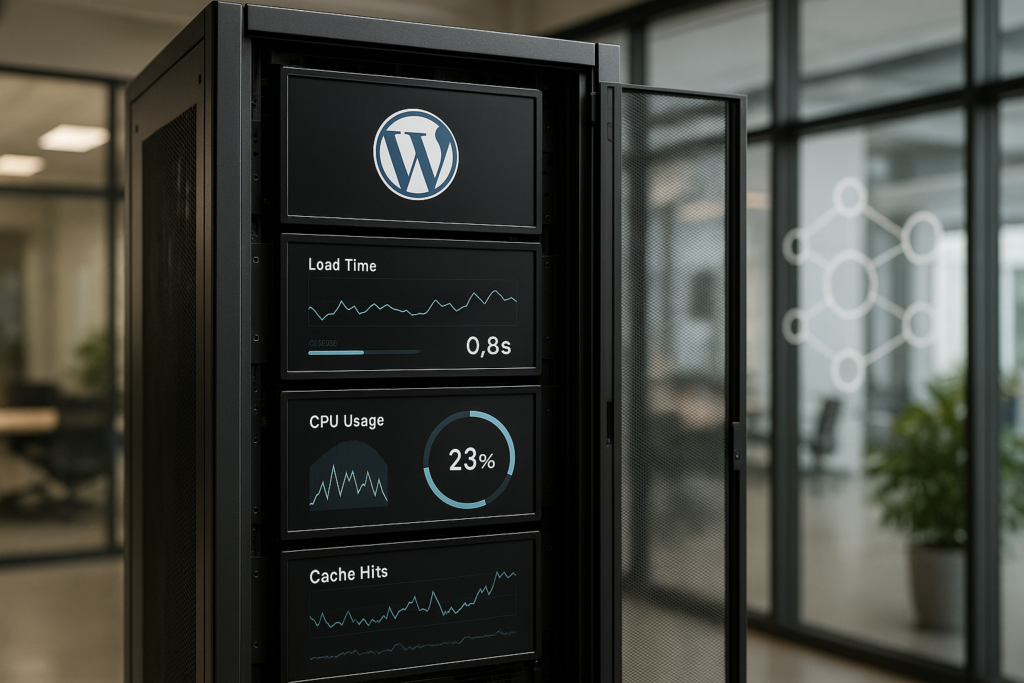
Improve **wp multisite performance**: Discover typical bottlenecks, misconceptions and **wp multisite scaling** strategies for fast sites.
Why Object Cache sometimes slows down WordPress
Why Object Cache sometimes slows down WordPress: Causes such as buffer overflow, conflicts and solutions for optimal performance.
Reduce WordPress database size: Sensible measures without data loss
Reduce WordPress database size: Sensible measures with WP-Optimize, phpMyAdmin and MySQL tips without data loss for top performance.
Why WooCommerce puts a particular strain on WordPress hosting: Optimization guide for fast online stores

Learn why woocommerce performance hosting is particularly demanding and how to effectively speed up your wordpress store slow with proven optimization strategies.
WordPress Heartbeat API: Benefits, risks and performance implications

WordPress Heartbeat API explained: advantages like autosave, risks for wp backend load and tips for optimizing WordPress performance.
WordPress autoload: Why wp_options slows down your site
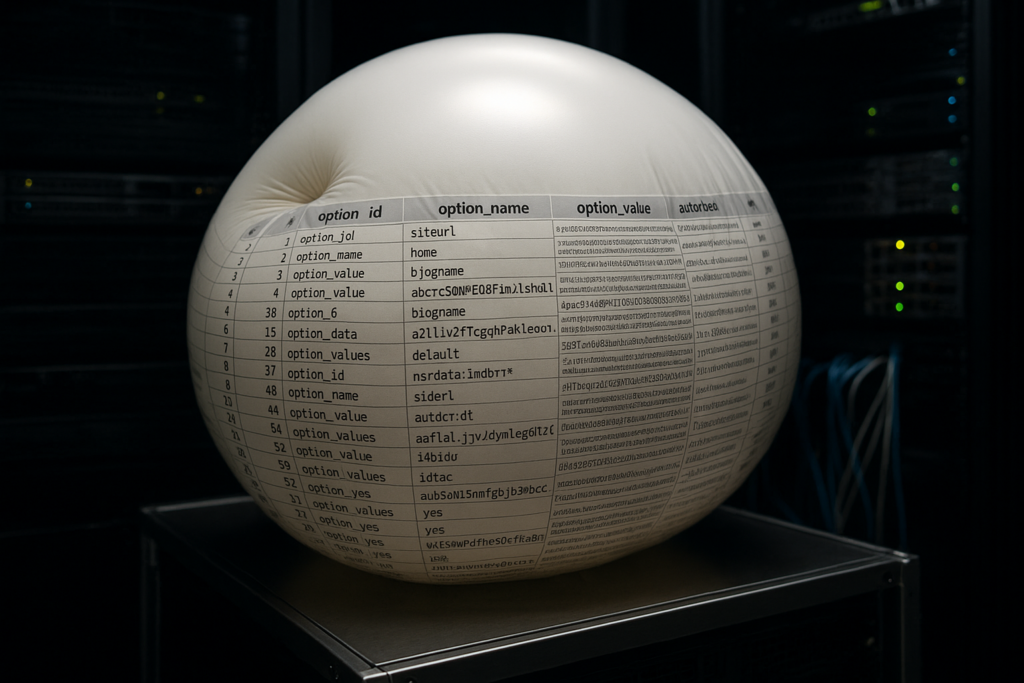
WordPress autoload data overloads wp_options and slows down your site. Learn how to clean up **wordpress autoload** and boost wp_options performance.
WordPress PHP-FPM: Optimal settings for stable performance
WordPress PHP-FPM optimal settings for stable performance: configuration, OPcache and wp server tuning for high traffic.
Why WP-Cron can be problematic for productive WordPress sites
Find out why the WP cron problem leads to performance and reliability problems on productive WordPress sites and how you can create a professional alternative with system cronjobs. Focus on wp cron problem, wordpress scheduled tasks and wp performance issues.
Use Query Monitor WordPress correctly: Making performance problems visible

Learn how to use Query Monitor WordPress to detect slow queries, faulty plugins and HTTP requests to optimize your performance. Focus: Query Monitor WordPress.
Why the first page load is always slower with WordPress

Find out why the first page load is slower with WordPress, how a cold cache wordpress occurs and which measures will improve your wp performance in the long term.
WordPress without page cache: when it makes sense and when it doesn't

Find out when WordPress without page cache makes sense, what risks it poses for performance and SEO and how to develop the optimal caching strategy with the focus keyword wordpress without cache.
Why WordPress is slow on some servers - hosting dependencies explained technically

Find out how your WordPress hosting performance really develops, why many servers slow down WordPress and which wp server tuning you need for stable speed.
Why HTTP requests can block even though there are enough resources available

Find out why HTTP requests block even though resources are still free. The article explains causes, webserver behavior and concurrency limits and shows optimization strategies.
Your website checklist: 5 things you should do before you install WordPress

Many prospective website owners jump straight into the WordPress installation full of enthusiasm - only to realize later that they have missed out on important preparatory work. The result: frustration, wasted time and a chaotic project. The most common mistakes made by beginners can be completely avoided with well thought-out preparation. The golden rule of website building is: plan twice, build once. Solid preparation, [...]
Compression level and CPU load: How Gzip and Brotli affect hosting performance

Find out how different compression levels affect the CPU load and how you can optimize your hosting performance with targeted tuning of gzip and Brotli.
Why network jitter makes websites feel slow

Find out how network jitter and latency spikes slow down your website speed and how you can achieve a stable, fast user experience with targeted optimizations.
WordPress autoload performance: Why wp_options slows down your site and how to optimize it

Learn how to improve WordPress autoload performance by analyzing and cleaning up the wp_options table and permanently optimizing autoload data.
Linux kernel performance: effects on hosting performance

Linux Kernel Performance Optimized Hosting: 38% WAN Improvement with Kernel 6.8, Server Tuning Tips for Maximum Speed.
Why object cache offers few advantages without database tuning

Why object cache offers little benefit without database tuning: Learn Redis, WordPress caching, and hosting optimization for maximum speed.
Why CPU cache (L1-L3) is more important than RAM in hosting

CPU cache (L1-L3) plays a greater role in hosting than RAM for optimal cpu cache performance and server architecture.
HTTP Status Codes: Effects on Crawling and Hosting

HTTP status codes have a massive impact on crawling and hosting. Optimize **http status crawl** for better SEO with strong server responses.
Why WordPress Multisite is rarely the solution to performance problems
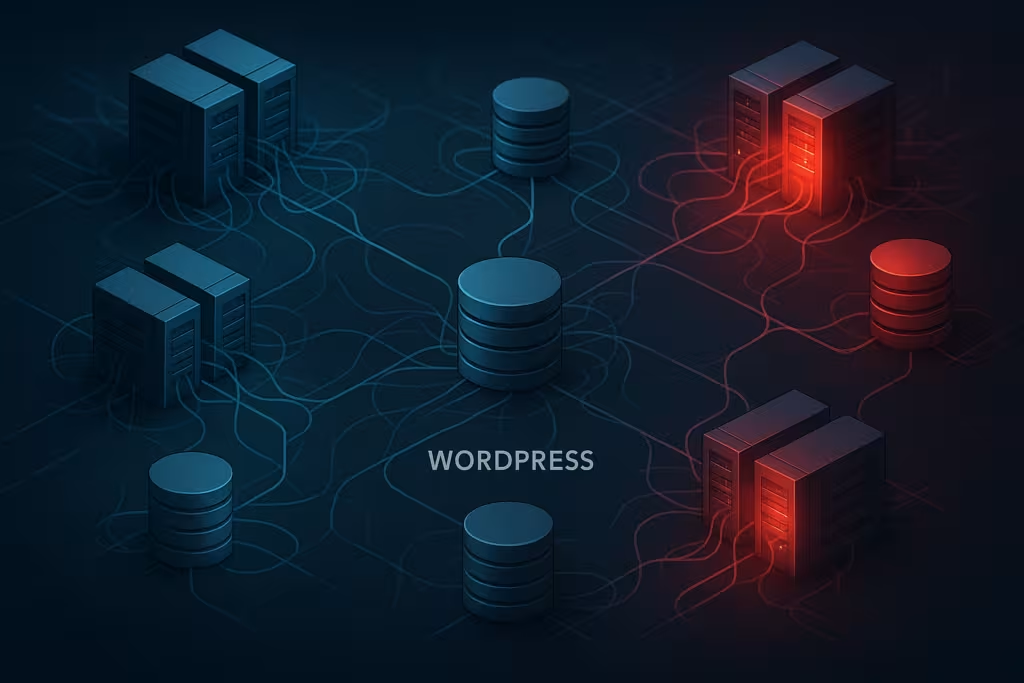
WordPress Multisite performance in large networks: Learn why multisite leads to bottlenecks and when isolated installations are better.
Why incorrect DNS TTL settings cost global performance

Why choosing the wrong DNS TTL costs global performance: Propagation issues, hosting DNS tips, and best practices explained.
Cronjob intervals: Optimizing effects on server load

Cronjob intervals have a significant impact on server load. Learn how to optimize cronjob frequency and hosting scheduling for better performance.
Buying digital vouchers – what you need to bear in mind

With digital vouchers such as Paysafecard, you can pay quickly. You pay a fixed amount and shortly afterwards you receive a code by email that you can redeem directly. This works for games, streaming services, app purchases, cell phone top-ups or digital tools. Another advantage is that you usually only have to enter a few, sometimes no, sensitive [...]
PHP Memory Limit: Why Websites Fail Without Error Messages

PHP memory limit causes silent errors on websites. Learn about the causes of PHP memory exhaustion and hosting tuning fixes.
HTTP cache headers: How they sabotage your caching strategy

HTTP cache headers sabotage your caching strategy through caching misconfiguration. Learn hosting optimization for top performance!
Database deadlocks in hosting: Why they occur more frequently

Database deadlocks occur more frequently in hosting than you might think. Learn about causes such as MySQL deadlock, database locking, and hosting issues, plus prevention.
Why cheap hosting offers often use old CPU generations

Why cheap hosting offers often use old CPU generations: Server hardware comparison, cheap hosting risks, and top alternatives.
Thread contention: How it slows down web servers and kills performance

Thread contention slows down web servers: How to solve concurrency issues and optimize web hosting performance with top tips.
Why many speed optimizations only treat symptoms: The difference between root cause analysis and superficial fixes

Many speed optimizations fail because they treat symptoms. Learn how root cause analysis solves real performance problems and saves resources.
How different MySQL buffer pools affect performance: A comprehensive guide

Learn how to properly configure the innodb buffer pool to maximize your database performance. MySQL tuning guide for better hosting performance.
Server Uptime Myth: Why high availability does not guarantee good performance

Server uptime myth debunked: High availability does not guarantee good performance. Learn about performance analysis and hosting monitoring for optimal servers.
Why HTTP redirect chains significantly increase loading times

Why HTTP redirect chains significantly increase loading times: causes, SEO effects, and solutions for optimal website speed.
PHP Execution Limits: Real Impact on Performance and Stability

**PHP Execution Limits** explained: How **php execution time** and **script timeout** affect performance and optimize **hosting tuning**.
PHP Session Garbage Collection: Why it can block your website

Find out how php session gc can block your website and learn about proven solutions. Optimize your hosting performance now!
WordPress Transients: Hidden source of load during high traffic

WordPress transients are useful, but they can be a hidden source of load during high traffic. Reduce database load in WordPress through hosting optimization.
Why lazy loading doesn't always improve loading times: The hidden pitfalls of delayed image loading

Lazy loading can worsen your web performance. Learn about the biggest lazy loading pitfalls and how to optimize image loading correctly for faster loading times.