Skip to content
Email marketing strategies 2025 are shifting the focus more than ever to Personalization, Automation and targeted segmentation. Brands that are data-driven and implement a sustainable communication strategy reach their target group more directly and convert more effectively.
Key points
- Data-based segmentation is crucial for relevant content.
- Hyper-personalized content increase opening and click rates.
- Responsive design ensures a uniform display on all end devices.
- Automated campaigns increase efficiency and conversion.
- Continuous optimization by analyzing user behavior remains mandatory.
In 2025, the interaction between different channels and technologies will be at the forefront: those who combine email marketing with social media ads, retargeting measures and personalized landing pages will achieve sustainably higher conversion rates. In addition, the field of artificial intelligence is developing rapidly - automatic algorithms can not only display content in a targeted manner, but also anticipate preferences with pinpoint accuracy. However, this also increases the demand on the marketing team to deal more intensively with data and evaluations in order to avoid sources of error in automation processes. Nevertheless, email marketing remains a rock-solid core element that - if used correctly - promises a very high return on investment (ROI).

Target group segmentation: relevance through a targeted approach
A well-prepared segmentation strategy is the starting point for successful e-mail contact. By collecting relevant user information such as Purchasing behaviorinterests or demographic characteristics, each recipient can be addressed in a meaningful and interest-oriented way. Instead of mass mailings, customers receive content that is specifically tailored to their situation. Tools for Marketing automation enable simple management of these segments and more efficient playout of content.
Typical criteria for a functioning segmentation:
- Gender, age, location or language
- Last purchase or visit duration on the website
- Interactions with past campaigns
- Inactive contacts in need of reactivation
The use of new technologies such as machine learning and AI-supported analyses in particular will open up additional opportunities in 2025 to derive from a variety of data sources which content should be sent to which recipient group at the right time. Even the smallest details - such as the preferred reading speed of a recipient or the average scrolling behavior in the newsletter - can be incorporated into automatic profile definitions. This refined form of segmentation makes it possible to dynamically adapt user groups when new data is added. However, the prerequisite for this is clearly structured data management and a good understanding of which metrics are really decisive.
Constant maintenance of the segments is also worthwhile. Regularly screening out or reactivating inactive contacts avoids unnecessary costs and spam complaints. At the same time, such segment maintenance allows you to send emails in a more focused way to recipients who are really interested. This increases the return on investment and has a positive effect on the reputation of the sender domain.
Hyper-personalization and interactive elements
Users today expect more than a personal salutation. Advanced personalization uses dynamic content that depends on the recipient's behavior or profile in real time. Product suggestions, countdown timers or progress indicators in loyalty programs get recipients more involved. Interactive content such as surveys or mini-games encourage direct interaction - and also provide valuable user data for the next campaign.
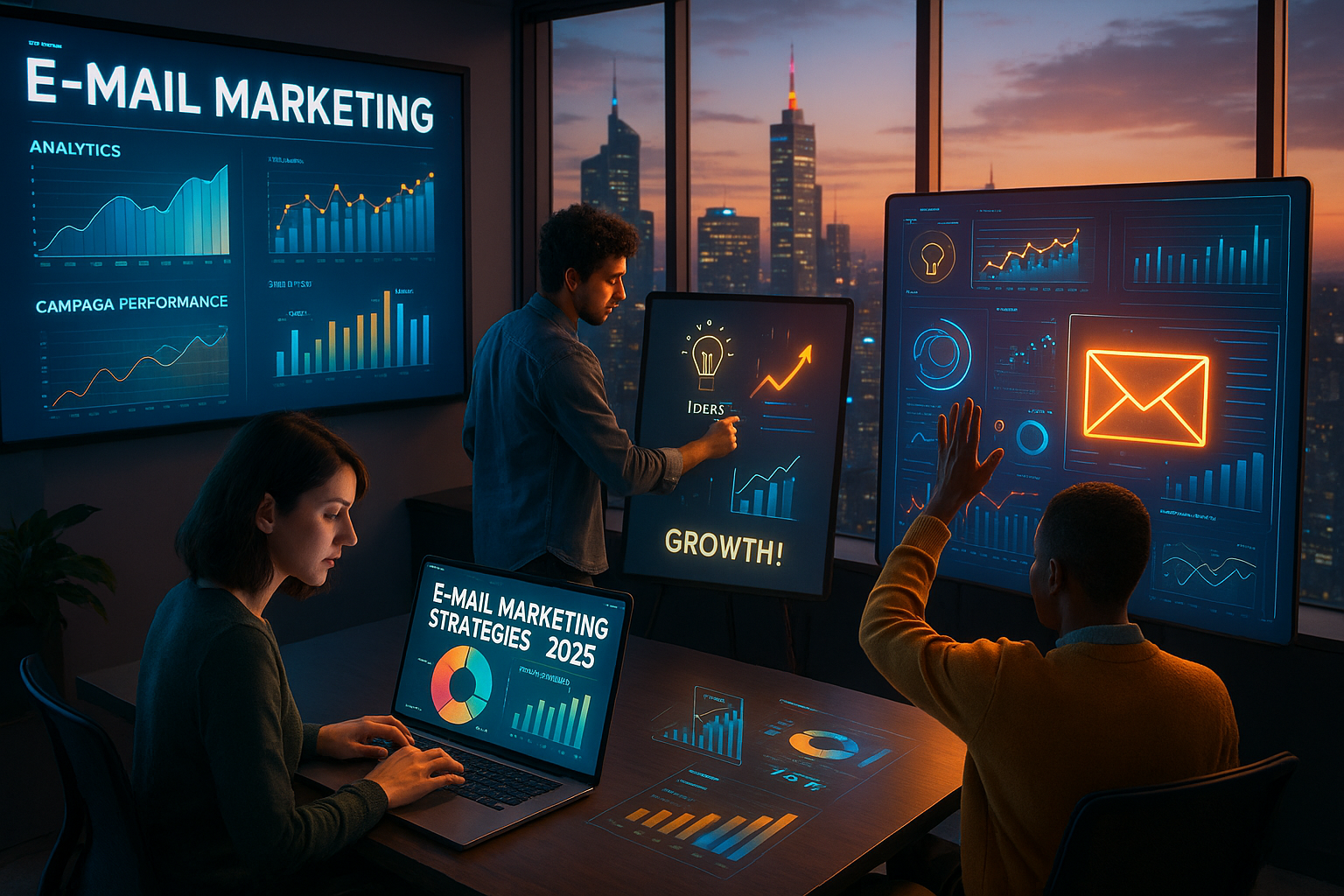
Hyper-personalization works particularly well when it is tailored to the respective customer journey. For example, regular customers can receive different content than first-time buyers who have just started their journey with the company. The integration of game elements ("gamification") in email marketing, such as quizzes or collect points campaigns, also promotes loyalty to the sender. Tailored content makes recipients feel valued and more willing to interact with the newsletter and convert.
Another trend is live content in email marketing, where certain components are updated automatically. This can be the display of stock that is still available or a constantly changing discount. This creates a sense of exclusivity and urgency, which can drive up opening and click rates. However, the technical implementation of such emails requires all API interfaces to be robust and secure.
Timing & frequency: Learn the rhythm of your target group
The best content is useless if the mail arrives at the wrong time. Algorithms for Time optimization now automatically analyze the opening behavior and adjust the dispatch. In general, current surveys show that Newsletters achieve the highest open rates between Tuesday and Thursday and between 10:00 and 14:00. Sending two emails a week keeps you present without being too demanding. The frequency can temporarily increase before public holidays and promotions such as Black Friday.
Inactive contacts should be addressed separately - whether with an exclusive comeback discount or a feedback form for reactivation.
But it's not just the day of the week and time of day that play a role: in 2025, more and more dynamic sending windows are recommended. Systems analyze the individual opening behavior of individual recipients and select a sending time when the probability of an email being opened is highest. This means that each person receives their newsletter at the "perfect personal time". In addition to higher interaction rates, this also reduces the load on the infrastructure in the long term because not all emails are sent at the same time.
As far as frequency is concerned, there should always be a balance between added value and variety in the newsletter. Too many emails in a short space of time reduce attention and can lead to unsubscriptions. Too few emails, on the other hand, will quickly cause the target group to lose interest. A clever solution is often to alternate between different types of mailings (product news, advice, event invitations, exclusive promotions) so that no two newsletters are the same.
Subject lines and preheaders: The first 150 characters are crucial
The Subject line is the gatekeeper of your message. It must arouse interest, appeal to emotions and signal relevance in a small space. Ideally, it should be less than 50 characters long. The supplementary preheader provides more context - and can double clicks. Emojis or personalization in the subject line are still a strong trigger, as long as they match the tone of the brand.
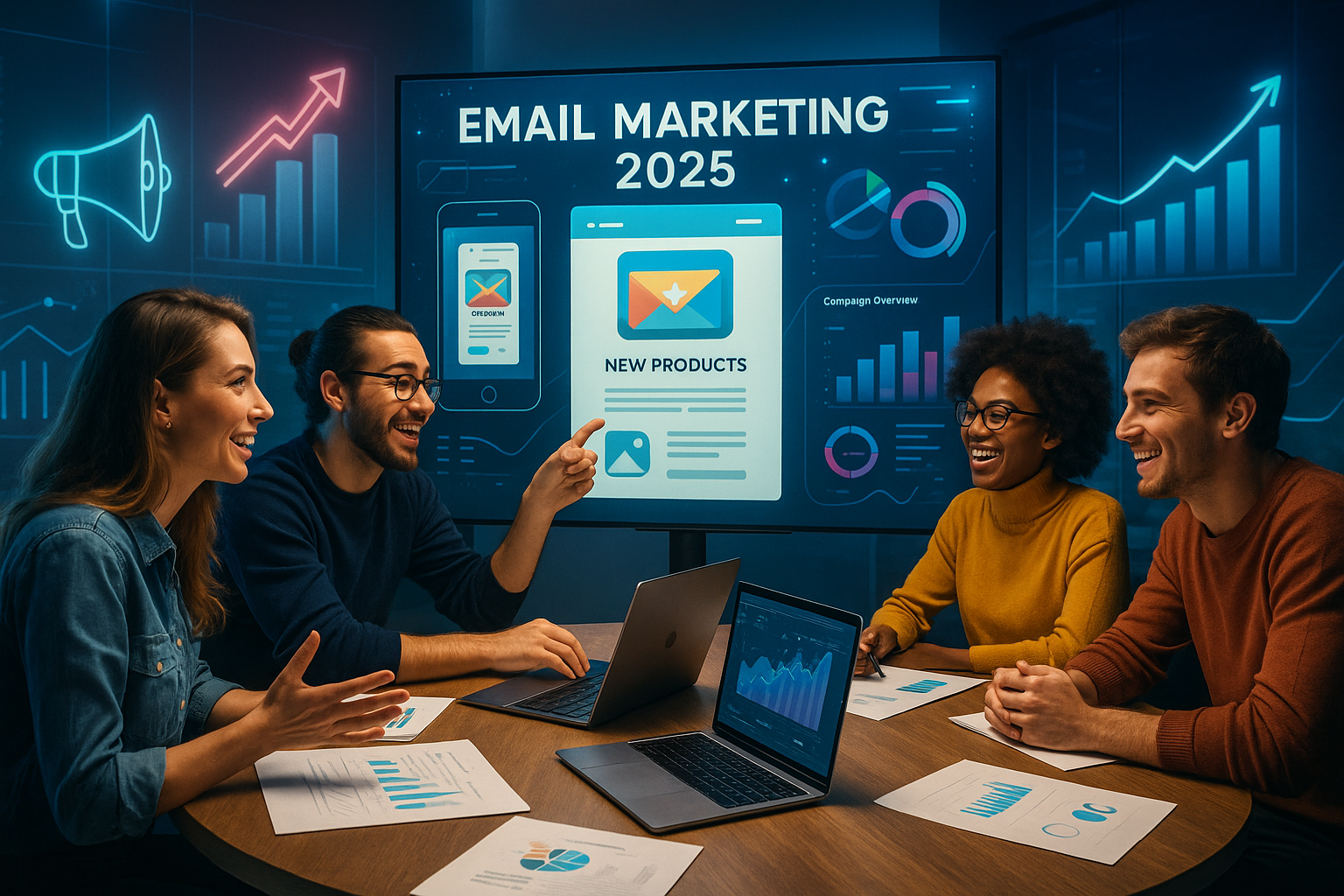
A quick glance at the inbox decides whether the message is opened or lost in the mass of other emails. This is precisely why A/B tests are indispensable for subject lines. It is also worth investigating the extent to which personalization in the subject line increases success. Addressees often react positively to their first name or a direct reference to their last purchase, as long as this appears serious and not intrusive. The right wording is crucial: drastic words such as "Ultimate" or "Free" may arouse curiosity, but can also activate spam filters or appear dubious. Precise, empathetic language is usually the key.
The preheader offers space to deepen curiosity. For example, it can refer to a limited-time discount or draw attention to an exclusive offer. It is important that the subject line and preheader are linked logically and in terms of content so that there is no break in the recipient's reading flow. This clarity builds trust and increases the willingness to open the newsletter.
Mobile design: responsiveness is a must
Users currently open over 70 % of all emails on mobile devices. One Optimized display directly increases the interaction rate. Text blocks must be legible, CTA buttons large enough and preview content sensibly scaled. Loading times must also be taken into account - compressed images and clean HTML structures noticeably increase user-friendliness. If you are weak on mobile, you will lose a large part of your audience.
The challenge is often to maintain a balance between appealing design and optimal performance. While images are emotionalizing, graphics that are too large can increase the loading time and thus have a negative impact on the user experience. The placement of click and call-to-action elements is also critical: on smaller screens, these should be easily accessible without having to scroll or zoom far. A clear, intuitive structure with sufficient white space helps to improve the reading flow.
In addition to pure responsive design, accessibility is also becoming increasingly important. Companies that design their emails according to WCAG standards (Web Content Accessibility Guidelines) can expand their reach: people with visual impairments or motor impairments also benefit from a clear, easily accessible email. This is not only a plus for brand perception, but can also offer legal advantages if accessibility increasingly becomes the standard.
Technical deliverability: the basis of every campaign
Even the best campaign is worthless if it ends up in the spam filter. A clean sender domain, low complaint rate as well as SPF, DKIM and DMARC entries ensure Feed accuracy. Content should also avoid spam triggers such as lurid subject lines or excessive use of capital letters. Tools such as the Deliverability optimization toolkit help to increase the inbox rate.
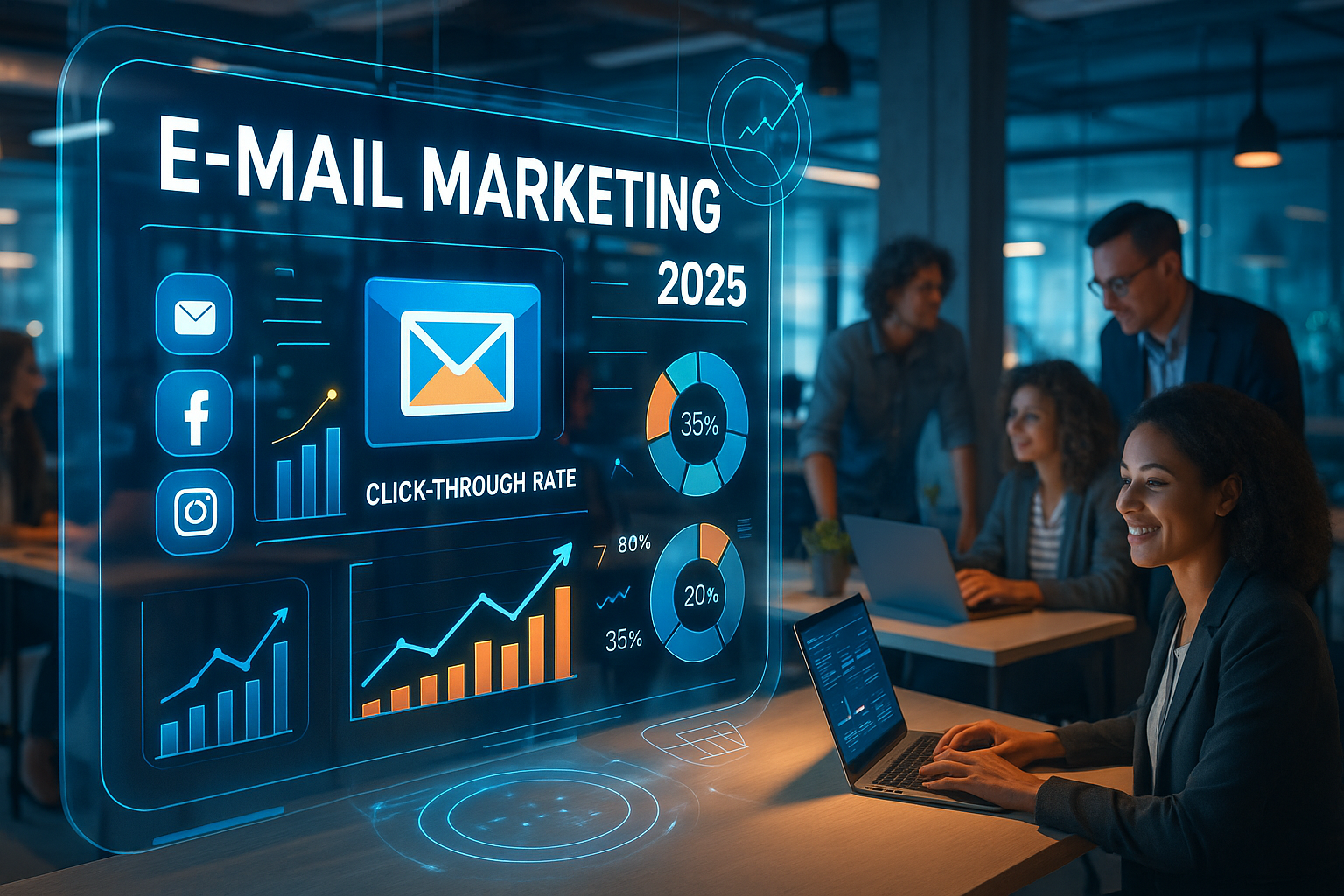
In addition, data protection and legal aspects continue to gain in importance. The GDPR (General Data Protection Regulation) creates binding rules on how personal data may be processed. Anyone who sets up their mailing lists without proper consent or neglects opt-out processes risks fines and damage to their company image. At the same time, many providers continue to raise their security standards, which requires ongoing maintenance of DNS records (SPF, DKIM, DMARC) and regular deliverability checks. The more transparent and reputable you are as a sender, the more likely it is that your mail will be delivered successfully.
Bounce management should not be neglected either. Pile up Hard Bounces (invalid email addresses), this can quickly worsen the reputation of the sender IP and lead to general delivery problems. An automated process that sorts out undeliverable addresses after repeated bounces is therefore part of the standard repertoire of every professional campaign.
Automated workflows: Once set up, efficient in the long term
Marketing automation is not a trend, but a standard. Comprehensive systems enable Intelligent workflows - from onboarding and shopping cart abandonment to customer loyalty. Instead of individual campaigns, complete customer journeys are created that react to behavior or phases in the purchase cycle. Workflows can be expanded at any time with current offers or seasonal content.
Such automated routes are particularly effective when they rely on contextual triggers: For example, a customer who has canceled their checkout process receives a reminder email after a few hours with a reference to remaining products in the shopping cart. If these products are not purchased within a certain period of time, a second email can follow with a small discount or further information on the purchase decision. Such detailed workflows can be created for a wide range of scenarios, from birthday emails to personalized product recommendations.
Another advantage of automation is the time it saves. After the one-off setup, marketers only need to update content occasionally or adapt new segment definitions. At the same time, automation can be designed to be self-learning, provided the system used supports machine learning or AI-based data processing. The algorithms independently develop suggestions for improvement, for example for optimized dispatch times or more successful subject lines. However, people still provide the creative input - because without a strong basic concept, any automation will only be half as successful.
Integration: Linking email, website and social channels
Email marketing performs strongly in tandem with other channels. Newsletters can link specifically to new articles or products on the website and extend campaigns in social media. The Cross-channel harmonization offers a consistent user experience - from the homepage to the last click. The effect: higher recognition, trust and conversion.
One example of successful integration is the linking of Facebook or Instagram campaigns with the email newsletter. Successful social ads can lead interested parties to a newsletter sign-up - they are then automatically integrated into a welcome campaign. Conversely, an existing mailing list can be uploaded to create targeted lookalike audiences on Facebook that are similar to profiles and could therefore also be of interest for future email campaigns.
Today's customers expect a seamless journey through different channels (omnichannel marketing). Whether they are browsing the website, using an app or scrolling through social feeds: The sender's approach should be consistent so that recipients feel they always have the same contact person. Here in particular, a consistent colour scheme, well thought-out imagery and coherent text design in the newsletter can ensure that the brand is easily recognized - regardless of the communication channel.
Maintain recipient list: quality over quantity
A clean list is a must, not an option. Inactive contacts distort key figures, increase the bounce rate and damage your reputation. Automatic list maintenance processes, for example after 90 days of inactivity or multiple non-interactions, improve the Delivery quality. At the same time, the unsubscribe process should be frictionless and user-friendly - nothing is more irritating than an "unsubscribe" link that goes nowhere.
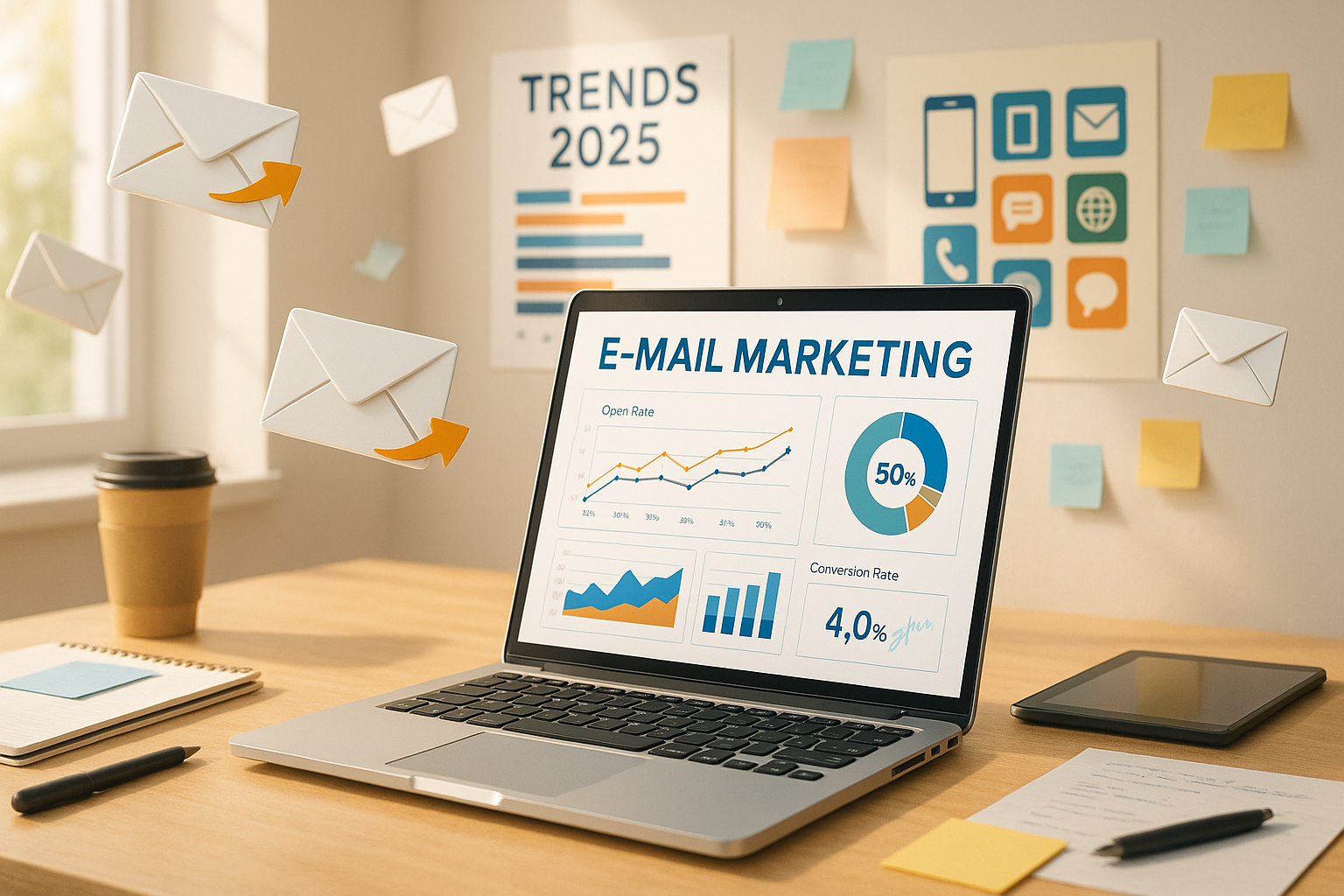
Quality beats quantity - this is also reflected in better key figures. Those who work with a list full of subscribers who are active and interested demonstrably achieve higher opening and click rates. Another advantage: the risk of spam marking is significantly reduced. It often helps if marketers actively ask for feedback: Why do certain recipients no longer open their emails? Would they prefer different content or are they simply no longer interested? In this way, targeted reactivation campaigns can also be created that are aimed at specific target groups.
A graduated approach to unsubscribing can also be useful: Those who wish to unsubscribe are given the option to reduce the frequency or only subscribe to certain topics. Such an approach offers users more control, which strengthens trust in the brand in the long term. At the same time, it improves the chance that former subscribers will not unsubscribe completely but switch to a less frequent or more specialized segment.
Analysis: Numbers count more than gut feeling
After shipping, the real work begins: Key performance indicators give precision in the evaluation. Open rate, click rate, conversion - all metrics lead to strategic optimization. Heatmaps show what is clicked on. A/B tests provide direct feedback on subject lines, layouts or offers. If you plan your next campaign on the basis of this data, you save budget - and significantly increase effectiveness.
Today, modern analysis tools go far beyond the classic key figures. For example, user paths, purchase probabilities or re-entry rates (after a purchase break) can be calculated automatically. This gives marketers a much more detailed picture of different target groups and their behavior within the funnel. Sentiment-based analyses (e.g. how positively or negatively a recipient reacts to certain email content) can also provide valuable insights. In combination with automated segmentation, this results in much more precise campaigns.
Another important topic is the calculation of the customer lifetime value (CLV) of individual subscribers. The CLV can be used to estimate how profitable a specific target group is in the long term. This enables a more targeted budget allocation and is particularly helpful for complex email campaigns with high production costs. Ultimately, the performance analysis determines which measures are really worthwhile and where resources may be wasted.
Step-by-step: How to run a successful campaign
From the first click to long-term customer loyalty - a structured process increases the success rate. The following overview shows the key stages:
| Phase | Action |
|---|---|
| Registration | Via form on website |
| Welcome campaign | Automated emails with added value and discount |
| Segmentation | Distribution by behavior and preferences |
| Regular newsletter | Relevant content, individually timed |
| Analysis | Measurement and continuous improvement |
Experience shows that each of these steps is crucial to the success of the overall concept. For example, the welcome campaign can already be the cornerstone for long-term customer loyalty. The values or products a company offers and why it is worth continuing to read the newsletter should already become clear here. Later on, it is important to bring together the data obtained from all steps in order to use it for future optimizations and possible additional campaigns. Transparency is always a valuable asset: openly communicated data protection guidelines and honest benefits keep subscribers loyal in the long term.
Don't forget the hosting solution
In addition to the software, a reliable hosting partner is also essential for high-performance email campaigns. Providers like webhoster.de convince with powerful features for WordPress, excellent delivery rates and fast loading times. This choice makes strategic sense, especially for high shipping volumes.
In addition to pure server performance, security is also a point that is becoming increasingly important to hosters. A reliable partner not only protects your own website, but often also enables integrated, secure encryption of emails and GDPR-compliant management. Especially in times of increasing cyber threats, a secure infrastructure can tip the scales when it comes to the long-term success of a campaign. Regular updates, patches and maintenance work guarantee stability and availability.
Anyone planning to send large volumes of emails should also pay attention to ratios such as emails per hour, security limits (rate limits) and the provider's total bandwidth. Especially during peak periods such as Black Friday or the end of the year, bottlenecks can quickly occur if the selected package is not sufficiently dimensioned. Professional coordination with the hosting provider creates the basis for smooth campaigns and avoids unpleasant surprises or delays in delivery.
Summary: Email marketing 2025 - Success through strategy
Email marketing will remain a growth driver for companies that communicate digitally in 2025. Those who make targeted use of data, design interactive content and ensure deliverability from a technical perspective will clearly set their campaigns apart from the competition. The key lies in clear structurecontinuous analysis and intelligent automation. Behind every successful email is a strategy - not a spontaneous idea. Because only those who keep an eye on all relevant aspects, from segmentation and responsive design to the hosting solution, can benefit from increasing open rates and solid customer loyalty in the long term. Ultimately, it pays to focus on quality and creativity when planning campaigns: In this way, email marketing remains an indispensable tool for realizing sales potential in the future and holding your own against the competition.