Skip to content
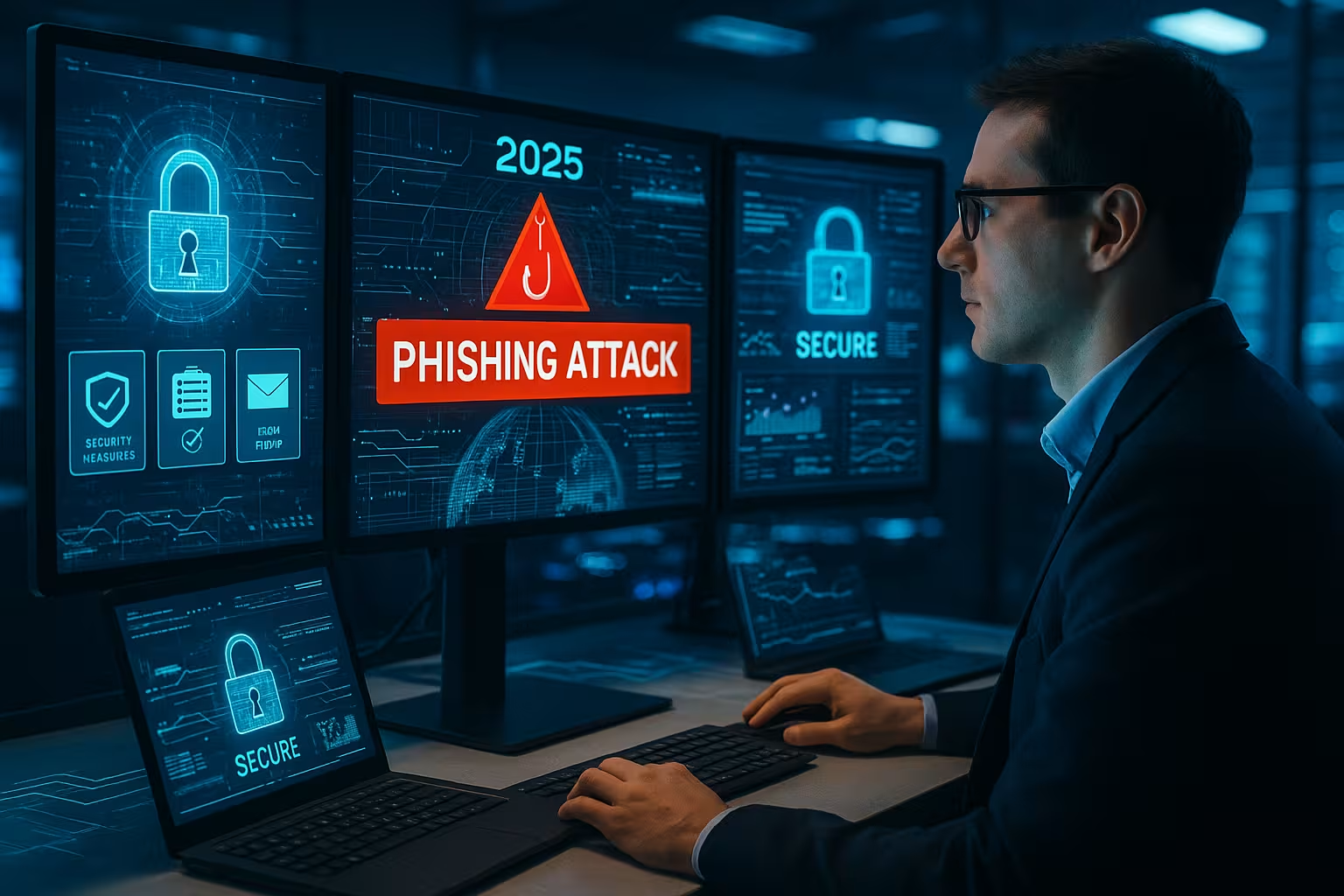
Phishing attacks in 2025 increasingly rely on artificial intelligence and deep deception techniques, which is why Phishing protection must function more intelligently and proactively than ever before. If you want to reliably protect personal or business data and avoid economic damage, you need a combination of technology, rules of conduct and a hosting provider with an integrated security concept.
Key points
- AI-supported threatsPhishing attacks are increasingly using machine learning and speech synthesis.
- Technology alone is not enoughHuman factors remain crucial for effective protection.
- Zero Trust-architectures: Modern network protection concepts help with detection and isolation.
- AuthenticationTwo-factor and passkeys are indispensable protection mechanisms.
- Audits and simulations: Regular testing remains essential for security strength.
Psychological effect: Why we are vulnerable
Phishing attacks not only exploit technical vulnerabilities, but also our human behavioral patterns. Even professionals who deal with IT security every day are not immune to psychological tricks. Cyber criminals use urgency, fear or curiosity to force people to click on infected links. Messages that create financial pressure are particularly effective - for example, fake reminders or supposedly urgent security warnings. In addition, there is a certain amount of trust in seemingly well-known senders, especially if the name or logo of a reputable institution is involved. This combination is what makes phishing so successful and justifies comprehensive training courses that sharpen human perception as well as technical skills.
Another psychological factor is the so-called "habit trap". People tend to ignore potential risks in everyday processes. Routine actions such as opening emails are usually so automated that signs of a potential phishing attempt are easily overlooked. This is exactly where modern phishing protection comes in: It attempts to detect and block anomalies in the background so that the known routine is disrupted as little as possible.
Smart technologies against phishing 2025
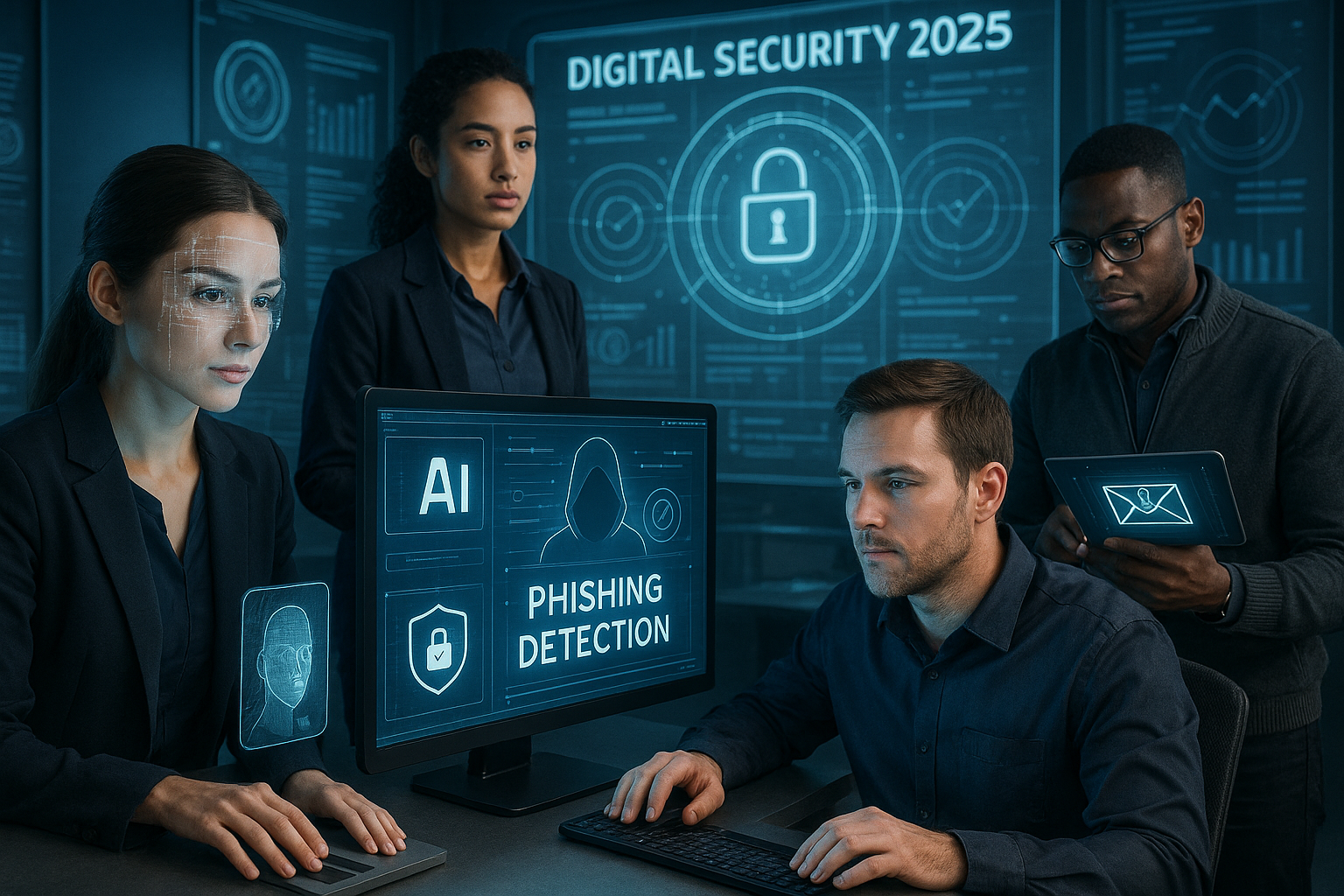
Cyber criminals today use methods that seemed unthinkable just a few years ago. Thanks to generative AI, deceptively real phishing campaigns are created, often even with synthetic voice or individualized messages in real time. Spear phishing attacks, which are based specifically on information from social networks or publicly accessible databases, are particularly dangerous. Traditional protection solutions reach their limits here.
Modern email security solutions detect threatening patterns such as changes in writing behavior or atypical sending times. Providers such as webhosting.de with AI email filtering go much further than conventional spam filters - and also reliably block zero-day attacks.
For example, if a deceptively genuine PayPal email appears with a link to a fake login page, the filter can automatically recognize that the domain trust is incorrect or the URL structure is abnormal. This analysis takes place within seconds - before recipients can even react.
New challenges with chatbots
One noticeable trend is AI-based chatbots that are being integrated into phishing campaigns. Instead of just sending simple emails, attackers now offer interactive chats that respond to the victim's questions and provide increasingly convincing answers. This approach increases the success rate, as a chat history appears personal and strengthens trust. Added to this is the ability of chatbots to respond to keywords in real time and offer seemingly customized solutions, for example in the case of fake technical support requests. If you don't pay close attention to the authenticity of the domain or the reputation of the sender, you run the risk of quickly revealing personal data or even login information.
To counter this development, many security teams rely on automated chat analysis systems. They record typical sentence patterns, sentence lengths and key terms in order to highlight potentially harmful chats. Nevertheless, the effectiveness of this technology stands and falls with human screening behavior: Those who rely solely on tools could fall victim to a particularly cleverly designed interaction.
Defense through combined authentication and isolation
The implementation of technical protection levels begins with e-mail communication. Authentication protocols such as SPF, DKIM and DMARC are crucial for reliably fending off forged sender addresses. If you want to secure your email infrastructure professionally, you should familiarize yourself with our SPF-DKIM-DMARC-Guide familiarize yourself with it.
Browser protection functions also play a central role. Many professional security solutions rely on browser isolation here: malicious websites are loaded in an isolated environment so that the actual computer remains untouched. This type of protection works invisibly in the background without affecting the user experience.
Zero Trust solutions must be used consistently: Every network access is authenticated, checked and blocked in the event of anomalies - regardless of IP addresses or firewalls. This means that compromised access cannot infect other systems.
The role of voice phishing (vishing) and deepfake technology
Not only written messages, but also telephone calls or voice messages can be manipulated. With advanced Deepfake-tools can be used to simulate the voices of any person. Attackers imitate superiors or business partners and request urgent bank transfers, for example. The deception is often perfect: the voice, tone of voice and even speech impediments are deceptively real. Anyone who is not careful or does not question such calls quickly falls for fraudsters.
An effective counter-strategy: clear communication guidelines within the company. Critical actions such as financial transactions should never be carried out on the basis of a phone call alone. A double or multiple confirmation - for example by separate email or via a defined messenger channel - can significantly reduce the risk. A trained ear also helps: even the best impersonation sometimes has small deviations in pronunciation or intonation.
Strengthening people as a safety factor
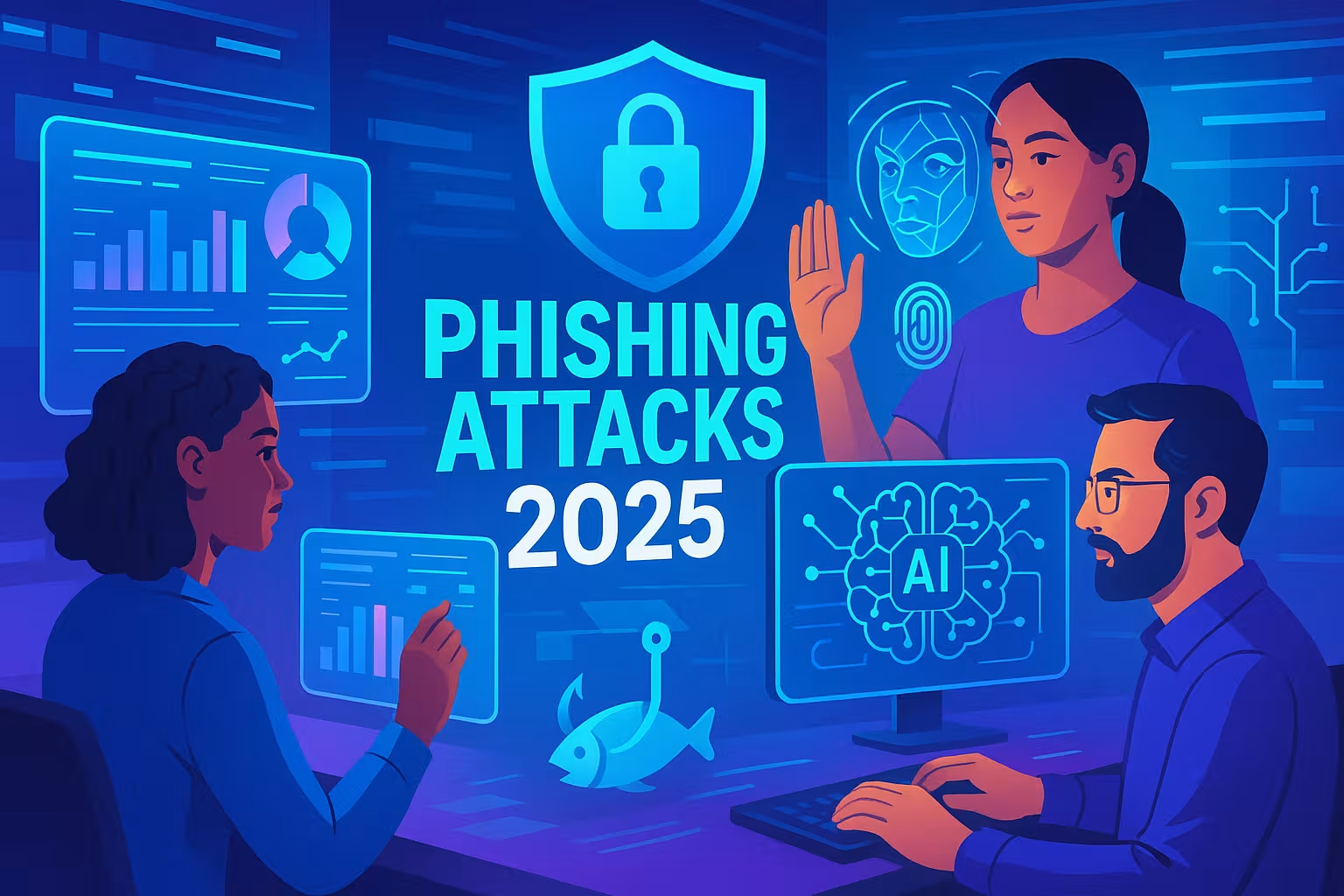
Technology is never 100 % error-free. That is why it is often people who ultimately decide whether an attack is successful - or not. Regular training is now part of every company. Even short awareness sessions with real-life examples help to raise security awareness in the long term. The greater the awareness of typical Deception strategiesthe lower the success rate for attackers.
Phishing simulators expose users to realistic scenarios - without any actual risk. These tests reveal vulnerabilities within minutes. Transparent feedback is important here, not a penalty system: this is the only way to bring about a lasting change in behavior.
At the same time, employees should know clear reporting channels to IT. Anyone who suspects that they have been taken in by a fake email must be able to act immediately without fear of consequences.
Incentive models for safe behavior
More and more companies are using positive incentives to promote safety awareness. Instead of reprimands or threats of punishment, it is important to take a constructive approach. For example, teams that show particularly few anomalies or report suspicious emails at an early stage can be rewarded - for example with small bonuses or team events.
Gamification elements in training courses and phishing simulations also increase motivation. When learning content is taught in a fun way, participants remember the most important security rules better. Instead of boring theory, quizzes, challenges or ranking lists usually promise significantly more learning fun. The result: more attention, fewer careless clicks and, in the long term, a corporate culture in which safety is not a chore but a natural part of everyday life.
How to behave correctly in an emergency
A mishap happens quickly: one wrong click is enough. Quick, structured action is now crucial. If your own account is accessed, the password should be changed immediately and ideally another device should be used for access. If the attack takes place within a company, the following applies: contact IT immediately and take offline.
Without activated two-factor authentication, the risk is particularly high at this stage. Those who have already taken precautions here can significantly limit the damage. Guidelines for communication and action in such situations should be part of every IT security concept.
Hosting security as a key feature
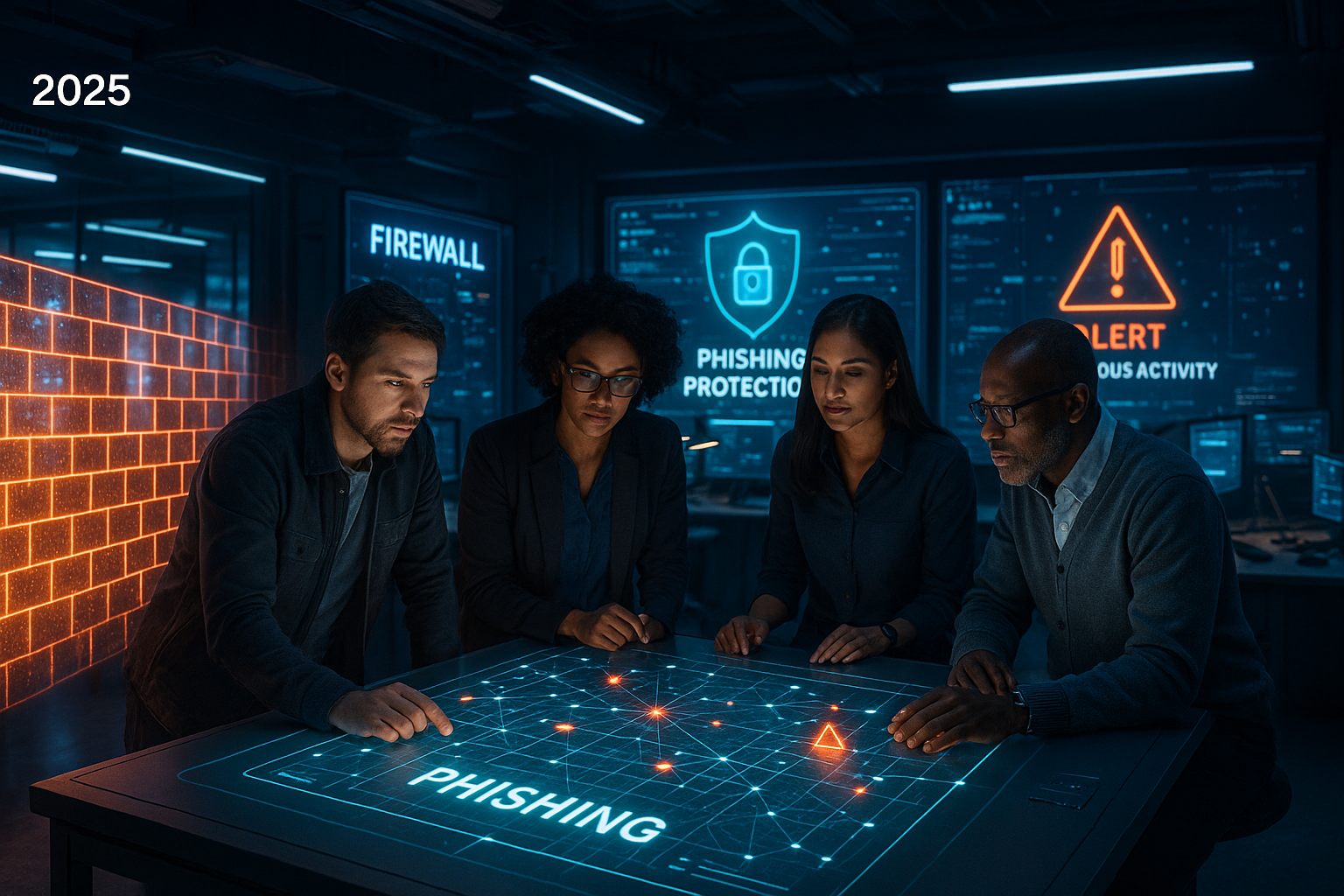
Hosting providers often play an underestimated role in phishing protection. This is because those who manage email services, web hosting and DNS centrally have a decisive lever at their disposal. Providers with AI-controlled infrastructure recognize unusual patterns immediately and can block attacks before they reach the end user.
The following table compares three hosting providers, particularly with regard to integrated security features:
| Provider | Phishing protection features | Rating |
|---|---|---|
| webhoster.de | Multi-layered protection, AI-based email analysis, 2FA, 24/7 monitoring, vulnerability scans | 1st place |
| Provider B | Standard e-mail filters, manual checking procedures | 2nd place |
| Provider C | Basic filtering, no zero-day detection | 3rd place |
Email security with Plesk is an additional benefit for anyone who wants to efficiently combine web and mail security.
Prevention through simple routines
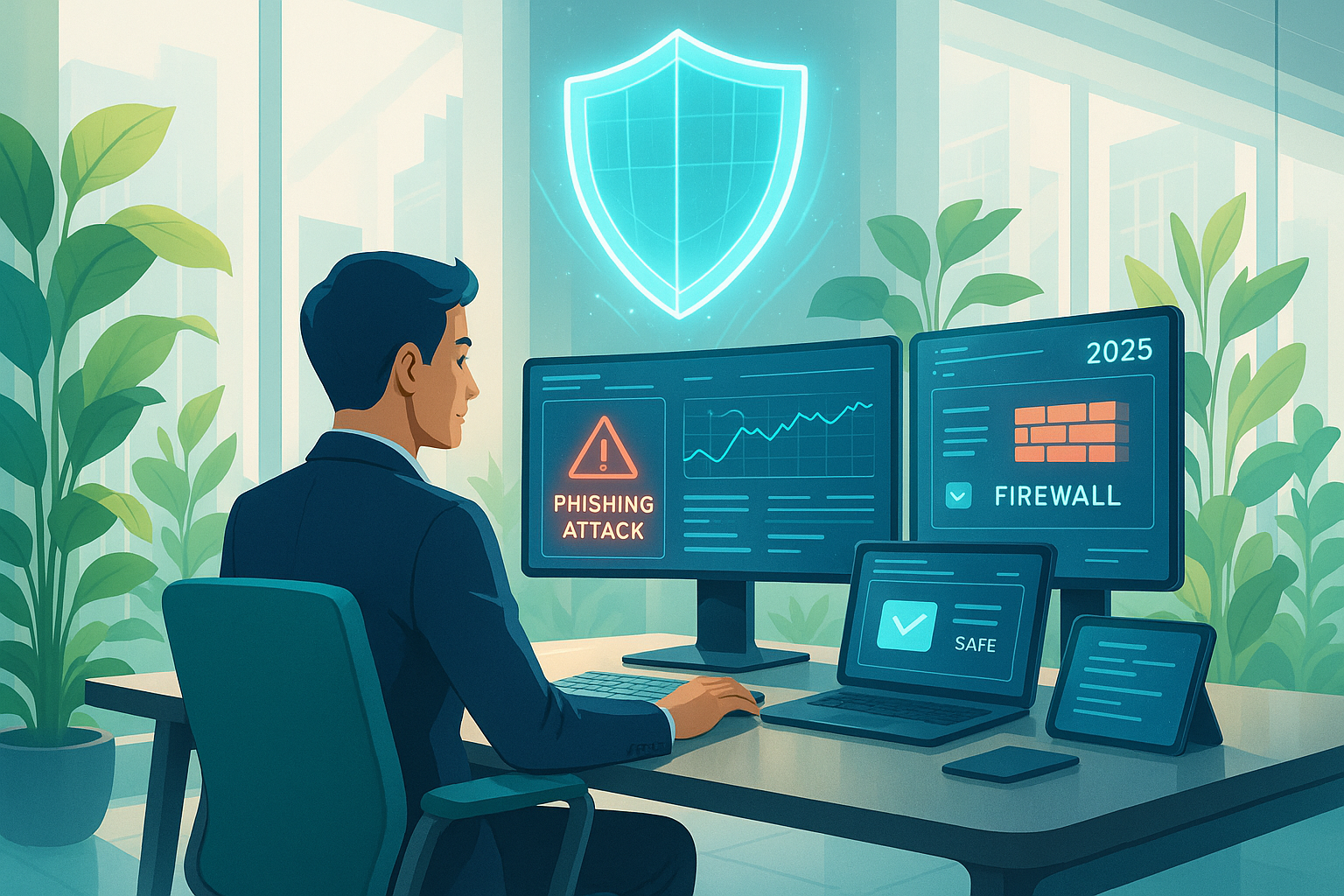
Security measures do not have to be elaborate. Many attacks fail because of simple basic rules: Update software regularly, use strong passwords, do not use the same combination more than once - these points make the difference in an emergency. If you also use a password manager, you get an overview, convenience and protection at the same time.
Backups are mandatory: once locally, once offline on external data carriers. Ideally with automatic versioning so that subsequent manipulations are also detected. Any security strategy without regular data backups remains incomplete.
Special features for remote workstations
The continuing trend towards working from home or remotely is creating new points of attack. Laptops and mobile devices are often less protected outside the company network, especially when employees access external WLANs. Phishing can have an even easier time in this context if, for example, no VPN connection is used or the device is running outdated software. Companies should therefore create guidelines that define how employees should behave outside the office: from regularly checking email settings to securing the home network.
Remote work also inspires attackers to launch personalized attacks - they pretend to be close colleagues who urgently need to access data. Without a direct view into the office and without brief queries in the corridor, the deception often works better. A reliable collaboration platform and clear communication channels help to detect such tricks at an early stage.
External audits identify hidden weaknesses
Even the best internal solution does not cover every weak point. That's why I regularly need an analytical view from the outside. Vulnerability analyses and penetration tests simulate targeted attacks and show which points of attack can realistically be exploited. Although these tests cost time and money, they prevent damage running into five or six figures.
For small and medium-sized companies in particular, it is crucial to rely not only on tools but also on sound analysis. An audit is not a failure, but a step towards strengthening.
Regulatory requirements and compliance
Many industries have mandatory security standards, compliance with which is regularly checked - for example by data protection authorities or industry-specific auditors. Violations of these regulations can result in a loss of reputation as well as severe fines. Phishing attacks can result in the loss of customer data, which is particularly serious in industries such as healthcare, finance or e-commerce. A professionally conducted compliance audit not only uncovers technical gaps, but also assesses whether organizational processes meet the regulatory requirements. Strict guidelines often apply here regarding access regulations, encryption techniques and reporting obligations in the event of security incidents.
Thanks to regular audits and penetration tests, gaps can be closed in good time. Preparation for such audits often also leads to improved internal communication on IT security. Employees develop a greater sense of responsibility when it is clear that misconduct can endanger not only their own company, but also customers or patients.
Conclusion: Phishing protection remains a priority
Phishing in 2025 is anything but old-fashioned email fraud. With AI and realistic deception, the nature of the threat is changing fundamentally - whether for freelancers, SMEs or large companies. Those who prepare today will save a lot of money and trouble tomorrow.
Phishing protection only works in combination with technological foresightcompetent hosting, proven routines and informed people. Providers such as webhoster.de create effective security standards by taking the lead in AI email analysis, monitoring and 2FA - around the clock.
Anyone who secures their infrastructure according to clear principles, systematically recognizes attempted attacks, trains employees and carries out regular checks is protecting themselves sustainably and holistically - because even in 2025, security is no coincidence.