CloudLinux CageFS – Maximum File System Isolation in Shared Hosting
CloudLinux CageFS provides robust file system isolation in shared hosting and enhances CloudLinux security through isolated user and website environments.

CloudLinux CageFS provides robust file system isolation in shared hosting and enhances CloudLinux security through isolated user and website environments.

Setting CloudLinux LVE Limits Correctly in Shared Hosting: Learn how to optimally configure CPU, RAM, I/O, and process limits with CloudLinux LVE to ensure stable hosting resource limits and fair performance for all accounts.

This guide to Redis security shows you how to prevent open ports and unprotected instances—using firewalls, Redis authentication, ACLs, TLS, and monitoring.

A Practical Guide to Redis Memory Management: How to Optimize Memory Configuration, Including maxmemory, Eviction Policies, and Monitoring—with a Focus on Redis Memory for Maximum Performance.

Find out whether Redis Cluster or Redis Standalone is a better fit for your web hosting and how optimized Redis hosting improves performance, caching, and scalability.

Find out which Redis persistence option—RDB or AOF—is best suited for your hosting servers and how to best balance performance and data security.

Discover the most common configuration errors with the Redis Object Cache in WordPress and how to fix them to achieve maximum performance with your Redis cache.

Learn how kernel hardening strengthens your Linux security and provides long-term protection for hosting servers using sysctl, MAC, and sandboxing.

The "Copy Fail" vulnerability in the Linux kernel poses a critical risk to shared hosting platforms. This article explains the technical details, attack vectors, and protective measures for operators.

This article explains the Dirty Frag Linux kernel vulnerability, outlines its implications for hosting servers, and shows you how to protect your systems.

Comprehensive Comparison of Live Kernel Patching Solutions: An Overview of KernelCare, Ksplice, kpatch, and kGraft—with a Focus on KernelCare and Ksplice for Secure, Automated Patching.

KernelCare offers live patching for the Linux kernel and enables secure kernel updates without a reboot. Ideal for hosting and cloud environments with high availability requirements.

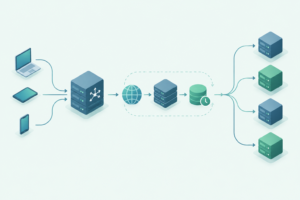
API Gateway Hosting for High-Availability APIs: Architecture, Scalability, and Reliability for Stable Web Hosting Setups.

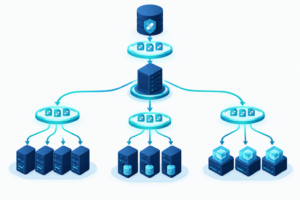
Comprehensive Guide to Database Replication Topologies in Hosting: Learn how to plan the right replication setup for database performance, high availability, and scalability. Focus on database replication topologies for modern web projects.

Learn how HTTP conditional caching works with ETag and Last-Modified, how browser cache validation is implemented, and how you can use it to optimize load times, bandwidth, and server load.

Learn how to maximize your server performance and sustainably optimize CPU utilization through cache line efficiency and CPU cache optimization.

Learn how mail servers use inbound filtering, reputation scoring, and anti-spam hosting to stop spam and phishing and improve delivery rates. Focus on practical email security.

Learn how DNSSEC key rotation and automated signing work together to secure your domains in the long term, with a focus on the keyword "DNSSEC key rotation.".

Learn how TCP Fast Open speeds up connection establishment and reduces latency in server hosting. This article explains TFO, its benefits, and practical tips related to the focus keyword "TCP Fast Open.".

Discover how TLS record size tuning and encrypted throughput optimization can boost your website’s network throughput and take SSL tuning to the next level.

Multiplayer hosting for global applications: low latency, scalable servers, and distributed infrastructure explained in simple terms.

Learn how database WAL files and write-ahead logging improve write performance in hosting, and how you can optimize your setup by focusing on the keyword "write-ahead log database.".

Learn how HTTP request coalescing in the CDN and browser bundles multiple requests, reduces origin traffic, and sustainably improves your web performance.

Learn how server process accounting and resource analysis work in hosting, and how you can optimize your infrastructure using the keyword "process accounting Linux.".


Best Web Hosting for Headless WordPress with API-First Architecture: Guides, Benefits and Recommendations for decoupled CMS.

WordPress plugin architecture explained: Reduce WP performance load and minimize hosting impact for ultra-fast sites.

Understand the structure of WordPress database tables such as wp_posts and wp_users. Practical tips on optimization for faster websites and better rankings.

WordPress High Traffic Hosting: Meet requirements with high simultaneous traffic with scaling, caching and strong providers.

WordPress REST Calls Frontend cause loading time problems due to payloads and queries. Learn optimizations for **WordPress REST Calls Frontend** with caching and strong hosting.

WordPress query cache often hurts performance due to invalidations and latency. Learn alternatives for real hosting optimization.